What permanently stops rust?

Rust is not just a surface stain—it is an electrochemical reaction that continuously destroys steel from the inside out. Once corrosion begins, it spreads under coatings, weakens structural integrity, contaminates assemblies, and leads to expensive repair cycles. Many industries attempt to “remove rust” but fail to address the fundamental corrosion mechanism, resulting in recurring oxidation within months. The critical question is not how to clean rust—but what permanently stops it.
Rust can only be permanently stopped by eliminating one or more elements of the corrosion triangle: iron, oxygen, moisture, and electrolytes. In practical industrial terms, permanent rust prevention requires complete surface preparation (often via laser cleaning), followed by high-performance protective systems such as epoxy coatings, galvanization, cathodic protection, stainless alloy selection, or environmental isolation. Rust removal alone does not permanently stop corrosion—long-term protection requires engineered corrosion control strategies.
To answer this question rigorously, we must examine corrosion chemistry, prevention engineering, material science, environmental exposure, coating technologies, and industrial maintenance strategies.
Table of Content
HIDE
Understanding Why Rust Forms
Rust is iron oxide formed through electrochemical corrosion. The reaction requires:
- Iron (Fe)
- Oxygen (O₂)
- Water (H₂O)
- Electrolytes (salt, acids, pollutants)
Simplified Corrosion Reaction
Fe + O₂ + H₂O → Fe₂O₃ (Rust)
Rust formation accelerates in:
- High humidity
- Marine environments
- Industrial pollution
- Salt exposure
- Acidic atmospheres
Stopping rust permanently means interrupting this reaction.
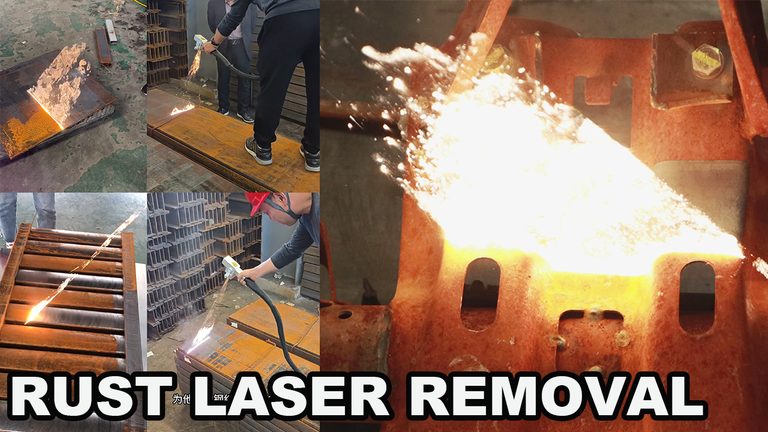
Strategy 1: Complete Surface Preparation (The Foundation)
No protection system succeeds if corrosion remains underneath. Surface preparation is the first and most critical step.
Effective Rust Removal Methods
| Method | Effectiveness | Substrate Damage Risk |
|---|---|---|
| Sandblasting | High | Moderate |
| Chemical Pickling | High | Chemical residue risk |
| Grinding | Moderate | High metal loss |
| Laser Cleaning | Very High | Minimal |
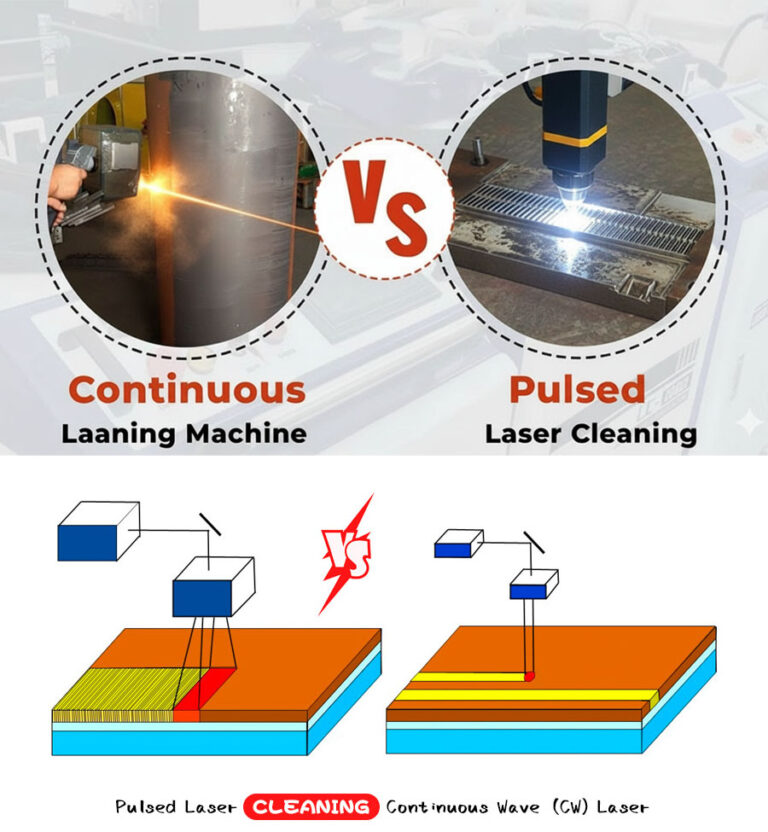
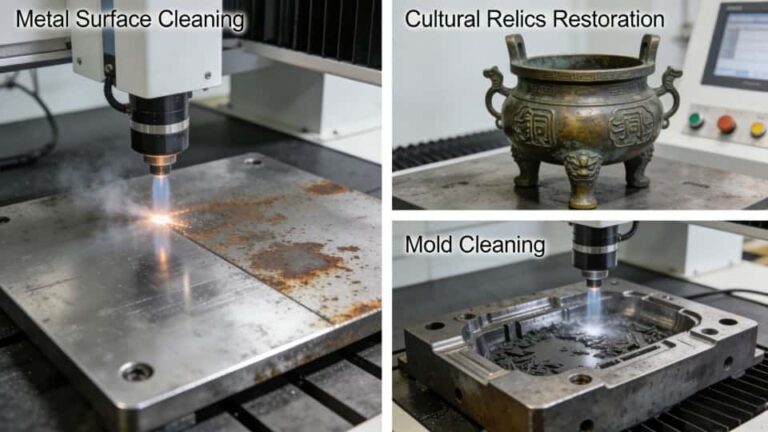
Laser cleaning is increasingly preferred because it:
- Removes rust completely
- Leaves no abrasive residue
- Preserves metal thickness
- Creates ideal adhesion surface
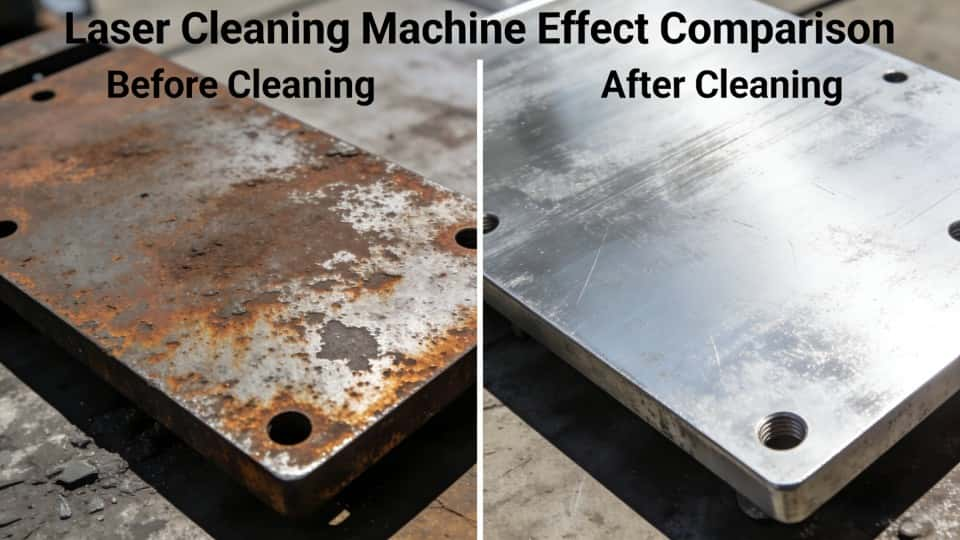
If rust remains in micro-pits, corrosion will continue beneath coatings.
Strategy 2: Protective Coatings
The most common permanent rust prevention method is barrier coating.
Types of Industrial Protective Coatings
| Coating Type | Corrosion Resistance | Lifespan |
|---|---|---|
| Alkyd Paint | Moderate | 3–5 years |
| Epoxy Coating | High | 10–20 years |
| Polyurethane | Very High | 15–25 years |
| Powder Coating | High | 10–15 years |
Epoxy primers combined with polyurethane topcoats are widely used in marine and industrial applications.
Why Coatings Work
Coatings:
- Block oxygen contact
- Prevent moisture penetration
- Electrically insulate the metal
- Resist chemical exposure
Proper adhesion is critical—laser-cleaned surfaces improve bonding performance.
Strategy 3: Galvanization (Zinc Protection)
Galvanization protects steel by applying a zinc layer.
Types of Galvanization
| Type | Process | Durability |
|---|---|---|
| Hot-Dip Galvanizing | Immersion in molten zinc | 20–50 years |
| Electro-Galvanizing | Electroplated zinc | 5–15 years |
Zinc provides sacrificial protection—corroding before the underlying steel.
Strategy 4: Cathodic Protection
Used in pipelines, ships, and underground structures.
Methods
- Sacrificial anode system
- Impressed current system
Cathodic protection shifts electrochemical potential, preventing oxidation.
Strategy 5: Stainless Steel and Alloy Selection
Alloying iron with chromium creates a passive oxide layer.
Stainless Steel Protection
| Alloy | Chromium % | Corrosion Resistance |
|---|---|---|
| 304 | ~18% | Good |
| 316 | ~16% + Molybdenum | Excellent (marine) |
Stainless steel resists rust by forming a self-healing chromium oxide layer.
Strategy 6: Environmental Control
Controlling environment can prevent corrosion.
Environmental Controls
- Humidity reduction
- Dehumidified storage
- Salt exposure elimination
- Climate-controlled facilities
Even bare steel can remain rust-free in low-humidity environments.
Strategy 7: Corrosion Inhibitors
Applied in enclosed systems.
Inhibitor Types
- Volatile corrosion inhibitors (VCI)
- Oil-based inhibitors
- Chemical additives in cooling systems
Used in storage and internal pipelines.
Strategy 8: Combination Systems (Best Practice)
Permanent rust prevention typically combines:
- Complete rust removal
- Surface preparation
- Protective primer
- Topcoat sealing
- Periodic inspection
Example Multi-Layer Protection System
| Layer | Function |
|---|---|
| Laser Cleaning | Removes corrosion |
| Zinc-Rich Primer | Sacrificial protection |
| Epoxy Intermediate | Barrier layer |
| Polyurethane Topcoat | UV resistance |
Such systems can extend lifespan beyond 25 years in harsh environments.
Why Rust Always Returns Without Protection
Removing rust exposes fresh iron. If left unprotected:
- Flash rust can appear within hours in humid environments
- Salt exposure accelerates reaction
- Microscopic moisture triggers oxidation
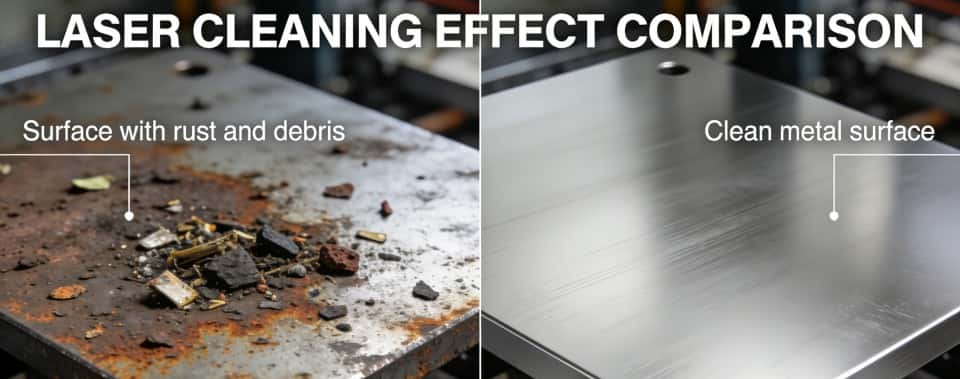
Thus, rust removal alone is never permanent.
Industrial Case Study
A marine equipment manufacturer switched from grinding + basic paint to:
- Laser cleaning
- Zinc-rich epoxy primer
- Polyurethane topcoat
Result:
- Coating lifespan increased from 6 years to 18+ years
- Maintenance cost reduced by 40%
- Zero underfilm corrosion reported in first decade
Comparing Rust Prevention Methods
| Method | Permanence | Maintenance Required |
|---|---|---|
| Rust Removal Only | Temporary | Immediate |
| Basic Paint | Moderate | Medium |
| Epoxy + Topcoat | Long-Term | Low |
| Galvanizing | Very Long | Very Low |
| Stainless Steel | Permanent (Material-based) | Minimal |
No single solution fits all applications—environment and structural requirements determine strategy.
What Truly Permanently Stops Rust?
In theory:
- Eliminating oxygen or moisture permanently stops rust.
- Encapsulating metal from environment stops corrosion.
- Using non-ferrous alloys prevents oxidation entirely.
In practical engineering:
Permanent rust prevention = Proper surface preparation + Advanced protective system + Environmental management.
Final Technical Conclusion
There is no single “magic product” that permanently stops rust by itself. Rust can only be permanently stopped by interrupting the corrosion process through engineered prevention strategies. The most effective long-term solution includes:
- Complete rust removal (laser cleaning preferred for precision)
- High-performance protective coatings or galvanization
- Cathodic protection where applicable
- Environmental control in storage and operation
Rust removal without protection is temporary. Corrosion control is a systems engineering challenge, not a one-step process.
Let’s Build a Long-Term Rust Prevention Plan
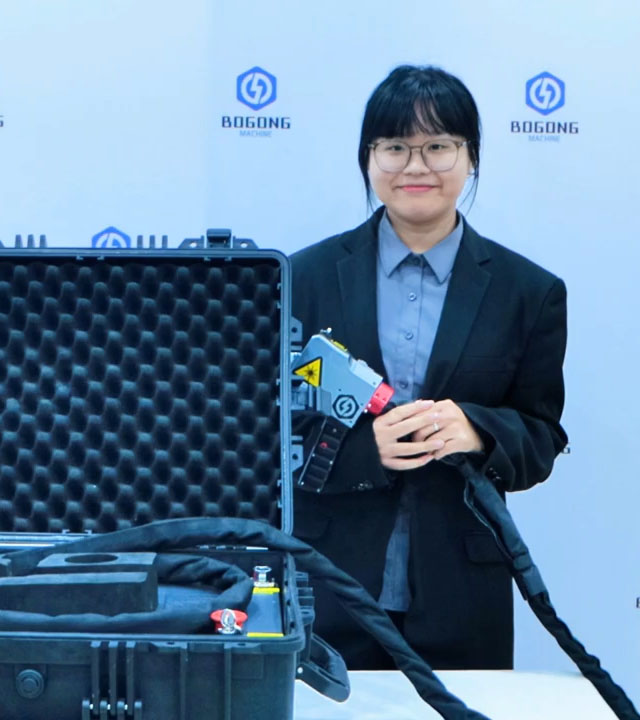
At BOGONG Machinery, we provide industrial-grade laser cleaning systems that ensure complete rust removal—the critical first step in any permanent corrosion prevention strategy. Whether you’re preparing steel for coating, galvanizing, or structural refurbishment, proper surface preparation determines long-term success.
If you’re planning a rust prevention upgrade and want to integrate laser cleaning into your corrosion control process, contact BOGONG Machinery. Our engineering team can help you design a durable, long-lasting solution tailored to your industry and environment.
Talk to Bogong Laser Cleaning Machines ExpertsGet a Quote or Customized Solution for Your Application

-
Whatsapp: +86-15665870861
-
Email: info@bogongcnc.com