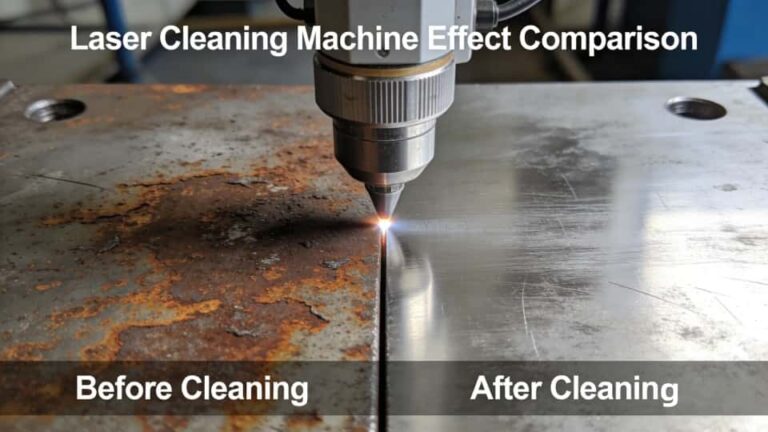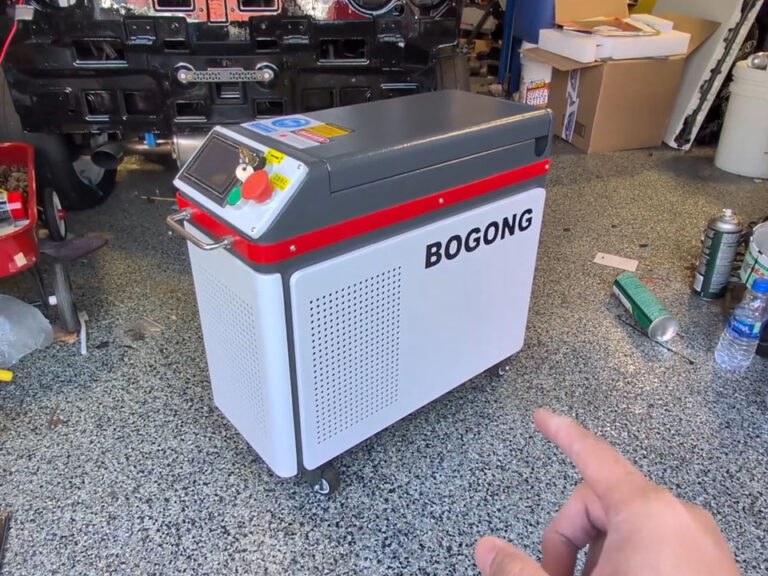
How much power does a laser rust remover use?
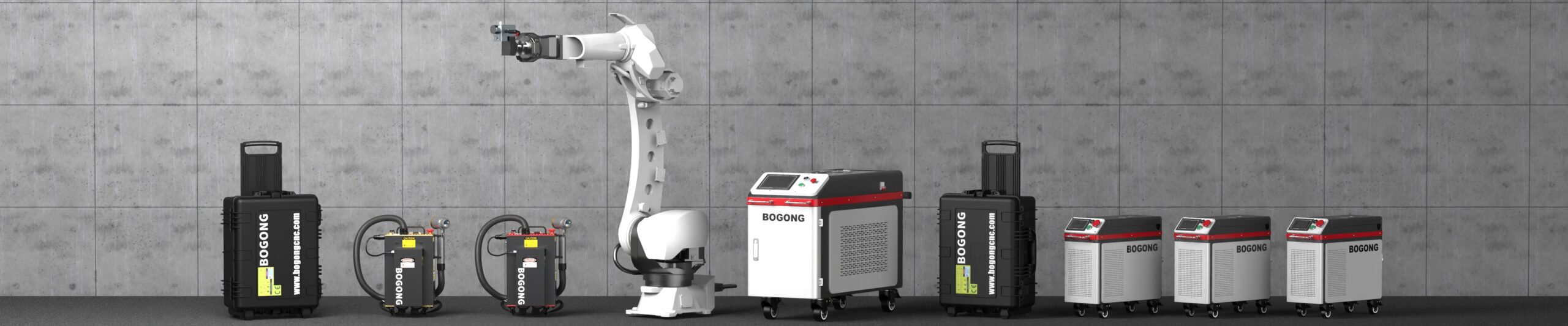
\
When manufacturers consider purchasing a laser rust remover, one of the first technical and financial questions is power consumption. Buyers often see labels such as 1000W, 1500W, or 2000W and assume that number directly equals electricity usage. However, misunderstanding laser power ratings versus actual electrical input can lead to incorrect infrastructure planning, underestimated operating costs, or even facility power overload. In industrial settings, power draw affects wiring requirements, breaker capacity, cooling systems, and long-term energy expenditure. Therefore, accurately understanding how much power a laser rust remover truly consumes is critical for both engineering and economic planning.
A laser rust remover’s actual electricity consumption depends on its laser output power, electrical-to-optical efficiency, cooling system design, and duty cycle. For example, a 1000W pulsed fiber laser cleaning machine typically consumes between 3 kW and 5 kW of total electrical power during operation. Higher-power industrial systems (1500W–2000W) may require 6 kW–10 kW input power. Output wattage does not equal wall-plug consumption—total system efficiency and auxiliary components determine real energy use.
To evaluate this correctly, we must analyze output power vs input power, efficiency conversion ratios, cooling system requirements, operational duty cycles, industrial electricity costs, and comparative energy performance relative to alternative rust removal methods.
Table of Content
HIDE
Understanding Laser Output Power vs Electrical Input Power
Laser rust removers are typically fiber laser systems. The number advertised—such as 1000W—represents optical output power (laser energy delivered to the surface), not electrical input power from the grid.
Electrical-to-Optical Efficiency
Modern fiber lasers have electrical-to-optical efficiency between 25% and 35%.
That means:
- If efficiency = 30%
- To generate 1000W optical output
- Electrical input required ≈ 1000 / 0.30 = 3333W
However, this calculation only covers the laser source itself. Total system power consumption also includes:
- Cooling system
- Control electronics
- Galvo scanning system
- Dust extraction system
- Auxiliary safety circuits
Total System Power Consumption Breakdown
Below is a typical power consumption breakdown for industrial pulsed fiber laser cleaning systems.
1000W Pulsed Laser Cleaning System
| Component | Power Consumption (kW) |
|---|---|
| Laser Source | 3.0–3.5 |
| Water Cooling Unit | 0.8–1.5 |
| Control & Electronics | 0.2–0.5 |
| Galvo Scanner | 0.1–0.3 |
| Extraction System | 0.5–1.0 |
| Total Estimated Consumption | 4.5–6.5 kW |
1500W System
| Component | Power Consumption (kW) |
|---|---|
| Laser Source | 4.5–5.5 |
| Cooling Unit | 1.0–2.0 |
| Electronics | 0.3–0.6 |
| Extraction | 0.8–1.2 |
| Total | 6.5–9.0 kW |
2000W System
| Component | Power Consumption (kW) |
|---|---|
| Laser Source | 6.0–7.5 |
| Cooling Unit | 1.5–2.5 |
| Electronics | 0.4–0.8 |
| Extraction | 1.0–1.5 |
| Total | 8.5–12 kW |
Actual values vary by supplier design and efficiency.
Duty Cycle and Real Operating Consumption
Laser rust removers rarely operate at 100% continuous maximum output. Pulsed systems work intermittently based on scanning patterns and contamination density.
Typical Industrial Duty Cycle
| Application | Average Duty Cycle |
|---|---|
| Light Rust | 40–60% |
| Heavy Rust | 60–80% |
| Spot Cleaning | 20–40% |
If a 1000W system has maximum 5 kW draw but operates at 60% duty cycle, average consumption becomes:
5 kW × 0.6 = 3 kW average
Thus, real electricity cost may be significantly lower than peak rating suggests.
Electricity Cost Calculation Example
Assume:
- 1000W system
- Average 4 kW consumption
- 8 hours/day operation
- Electricity cost: $0.12 per kWh
Daily cost:
4 kW × 8 hours = 32 kWh
32 × $0.12 = $3.84 per day
Monthly (22 working days):
$3.84 × 22 = $84.48
Even high-power systems typically maintain manageable operating energy costs.
Comparison with Sandblasting Energy Use
Sandblasting requires:
- High-capacity air compressors
- Abrasive media systems
- Dust collectors
Sandblasting Energy Breakdown
| Component | Power Consumption |
|---|---|
| Air Compressor | 15–30 kW |
| Dust Collector | 3–10 kW |
| Media Circulation | 2–5 kW |
| Total | 20–45 kW |
Compared to 5–10 kW for laser cleaning, laser systems are significantly more energy efficient in total system operation.
Cooling System Impact on Power Consumption
Cooling architecture plays a major role.
Air-Cooled Systems
- Lower complexity
- Slightly higher internal heat
- Typically used ≤1000W
Water-Cooled Systems
- Required ≥1000W
- Higher stability
- Additional 1–2 kW draw
Efficient industrial chillers reduce excess consumption.
Facility Infrastructure Requirements
Before installation, verify:
- Voltage requirement (220V / 380V / 3-phase)
- Breaker rating (typically 20A–40A)
- Stable grounding system
- Cooling water supply (if external chiller used)
Typical Electrical Specifications
| Laser Power | Voltage | Current |
|---|---|---|
| 500W | 220V single-phase | 15–20A |
| 1000W | 220–380V | 20–30A |
| 1500W+ | 380V 3-phase | 30–50A |
Proper planning prevents electrical overload.
Efficiency Improvements in Modern Fiber Lasers
New-generation fiber lasers offer:
- Higher wall-plug efficiency (up to 35%)
- Smart power modulation
- Automatic standby reduction
- Adaptive pulse shaping
These improvements reduce idle energy waste.
Energy Consumption vs Cleaning Productivity
Higher wattage systems consume more power but clean faster.
Cleaning Speed Comparison
| Laser Power | Cleaning Speed (Rust Removal) |
|---|---|
| 500W | 0.5–1.0 m²/hour |
| 1000W | 1–3 m²/hour |
| 2000W | 3–6 m²/hour |
Faster cleaning may reduce total operational hours, offsetting higher power draw.
Long-Term Energy Cost Perspective
Assume 5-year operation:
- 1000W system
- $85/month electricity
- 60 months
Total electricity ≈ $5,100
Compared to:
- Abrasive media costs
- Chemical stripping agents
- Waste disposal
Energy remains a small percentage of overall operational cost.
Environmental Efficiency
Lower power demand results in:
- Reduced carbon footprint
- Lower facility heat generation
- Lower ventilation requirements
Laser cleaning aligns well with energy-efficient industrial goals.
Power Consumption Optimization Strategies
To minimize energy use:
- Optimize pulse parameters
- Adjust scan speed properly
- Use intelligent standby modes
- Maintain clean cooling systems
- Avoid unnecessary full-power operation
Engineering calibration significantly improves efficiency.
Summary Technical Comparison
| Factor | Laser Cleaning | Sandblasting |
|---|---|---|
| Typical System Power | 4–10 kW | 20–45 kW |
| Energy Efficiency | High | Moderate–Low |
| Consumables | None | Continuous |
| Infrastructure | Moderate | Heavy |
Laser rust removers are energy-efficient compared to traditional mechanical systems.
Final Technical Conclusion
The power consumption of a laser rust remover depends on output wattage, system efficiency, cooling design, and operational duty cycle. A typical 1000W pulsed fiber laser cleaning machine consumes approximately 4–6 kW of electrical power during operation. Higher-power systems may require up to 10–12 kW. However, compared to sandblasting and other industrial rust removal methods, laser systems are relatively energy-efficient and offer lower overall operational energy demand.
Proper infrastructure planning ensures stable operation, and modern fiber laser technology continues to improve electrical efficiency.
Let’s Calculate the Right Power Setup for You
At BOGONG Machinery, we help clients determine the exact laser power configuration required for their rust thickness, material type, and production volume. Instead of oversizing your equipment—or underestimating your electrical requirements—our engineering team provides accurate power consumption projections and facility compatibility guidance.
If you’re planning a laser rust removal installation and need detailed electrical planning support, contact BOGONG Machinery. We’ll help you choose the right system with the right power—no guesswork, just data-driven engineering.
Talk to Bogong Laser Cleaning Machines ExpertsGet a Quote or Customized Solution for Your Application

-
Whatsapp: +86-15665870861
-
Email: info@bogongcnc.com