Is Laser Cleaning Cost-Effective?
When manufacturers, contractors, or maintenance companies ask whether laser cleaning is cost-effective, they are rarely asking about electricity consumption or the price tag of the machine alone. What they are really asking is whether laser cleaning lowers total cost per job, reduces hidden losses, and creates sustainable value compared with sandblasting, chemical stripping, grinding, or outsourcing. This is where laser cleaning is often misunderstood: evaluated as a tool, it can look expensive; evaluated as a process, it frequently proves economical—and in some cases decisively so.
Laser cleaning is cost-effective when it reduces total job cost through lower consumables, reduced rework, shorter downtime, improved quality consistency, and higher equipment utilization. It is not universally cheaper on a per-hour basis, but it often delivers a lower total cost of ownership and higher long-term economic return when applied to the right use cases.
What follows is a grounded, engineering-and-business analysis of laser cleaning economics. No artificial “steps,” no hype—just how costs, savings, and value actually play out in real operations.
Table of Content
HIDE
Looking Beyond Machine Price: Total Cost of Ownership Perspective
A common mistake is judging laser cleaning solely by upfront investment. A laser cleaning machine may cost several times more than a blasting cabinet or chemical tank, but capital expenditure is only one part of the economic picture. Cost effectiveness must be measured over the entire operating life of the system.
Traditional cleaning methods carry ongoing, variable expenses: abrasive media purchase and recycling, chemical replenishment, neutralization, waste disposal, nozzle and tooling wear, containment, cleanup labor, and frequent rework due to inconsistent results. These costs scale with every job.
Laser cleaning, by contrast, concentrates most cost in the initial investment. Operating expenses are comparatively stable and predictable: electricity, fume-extraction filters, optics maintenance, and labor. When utilization is reasonable, the per-job cost declines rapidly over time.
From a financial standpoint, laser cleaning behaves more like CNC machinery than a consumables process. The more intelligently it is used, the cheaper each cleaned part becomes.
Operating Cost Comparison: Laser vs Traditional Methods
To understand cost effectiveness, it is useful to compare typical operating cost structures rather than headline prices.
| Cost Category | Sandblasting / Chemicals | Laser Cleaning |
|---|---|---|
| Consumables | High (media, chemicals) | Low (filters, optics) |
| Waste disposal | High | Low to moderate |
| Labor intensity | Medium to high | Medium |
| Surface damage risk | Medium | Low |
| Rework rate | Medium | Low |
| Energy cost | Low to medium | Low |
| Process consistency | Variable | High |
In many industrial environments, consumables and waste management quietly exceed electricity and labor costs. Laser cleaning eliminates or sharply reduces these hidden expenses.
Downtime and Throughput: The Silent Cost Drivers
Cost effectiveness is strongly influenced by downtime—an area where laser cleaning often delivers its biggest economic advantage.
Sandblasting typically requires:
- Extensive masking
- Enclosures or blasting rooms
- Post-process cleanup
- Media recovery or disposal
Chemical stripping adds:
- Soak time
- Rinse cycles
- Drying time
- Environmental compliance delays
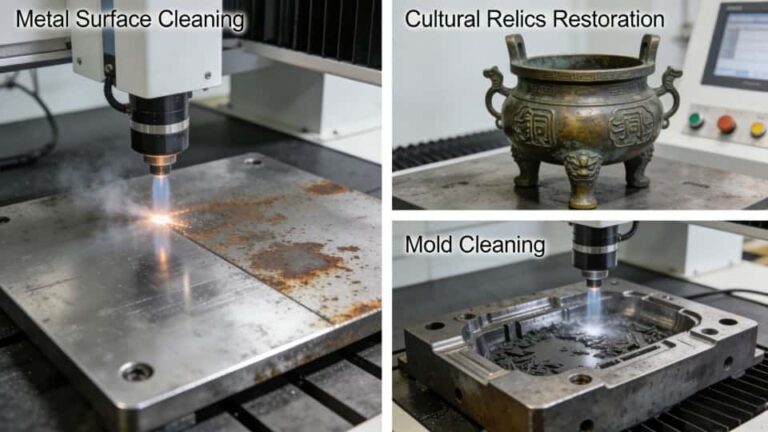
Laser cleaning, especially in maintenance and repair scenarios, can often be performed in situ, on specific areas only, with minimal setup and cleanup. Machines can be wheeled to the job, cleaning starts immediately, and the component can return to service faster.
For production lines, mold maintenance, welding preparation, or shutdown work, reduced downtime often outweighs any difference in hourly cleaning cost. A shorter shutdown window translates directly into revenue protection.
Quality Consistency and Rework Reduction
Rework is one of the most expensive and least visible costs in surface treatment. Inconsistent cleaning leads to coating failures, poor adhesion, weld defects, and premature corrosion—all of which trigger downstream costs that dwarf cleaning expenses.
Laser cleaning improves cost effectiveness by delivering:
- Repeatable, parameter-controlled results
- Minimal base-material damage
- Uniform surface condition
- Easier process documentation
In industries where failure is expensive—such as aerospace, energy, automotive, and heavy equipment—this consistency alone often justifies the investment. The economic value is realized not at the cleaning station, but later in the production or service life of the part.
Labor Economics: Skill vs Efficiency
Laser cleaning does not eliminate labor, but it changes how labor is used. Traditional methods often rely on physically demanding, operator-dependent techniques. Productivity varies significantly by operator skill and fatigue.
Laser cleaning shifts labor toward:
- Process control
- Monitoring and inspection
- Parameter selection
This typically results in:
- More predictable labor cost per job
- Lower physical strain
- Easier training once recipes are defined
In regions with rising labor costs or labor shortages, this shift contributes significantly to long-term cost effectiveness.
Utilization: The Deciding Variable
No analysis of laser cleaning economics is complete without addressing utilization. A laser cleaning machine that runs a few hours per month is rarely cost-effective. The same machine, used consistently, can become extremely economical.
Consider a simplified example:
| Annual Billable Hours | Effective Cost per Hour* |
|---|---|
| 200 hours | High |
| 600 hours | Moderate |
| 1,200 hours | Low |
*Including depreciation, energy, filters, and maintenance.
This is why laser cleaning is most cost-effective when:
- Integrated into daily production
- Used across multiple applications
- Shared across departments
- Positioned as a core process, not an occasional tool
Many successful users start by replacing one costly problem area—such as mold cleaning or weld prep—and then expand usage organically as confidence grows.
Where Laser Cleaning Is Most Cost-Effective
Laser cleaning consistently shows strong cost effectiveness in:
- Mold and tool cleaning (rubber, plastic)
- Weld preparation and post-weld cleanup
- Precision coating preparation
- Maintenance of high-value equipment
- On-site industrial repair and refurbishment
- Situations with high waste-disposal costs
- Applications requiring minimal surface damage
Conversely, it is less cost-effective for:
- Low-value, high-volume commodity parts
- Applications where rough surface profiling is the primary goal
- Very thick, elastic coatings requiring bulk removal
- Jobs with extremely low utilization
Understanding this boundary is essential to realistic ROI expectations.
Environmental and Compliance Cost Considerations
Regulatory pressure is an increasingly important part of cost effectiveness. Waste disposal, chemical handling, and airborne particulates carry compliance costs that are rising globally.
Laser cleaning offers:
- Reduced hazardous waste
- Easier environmental compliance
- Cleaner working environments
- Lower long-term liability
While these benefits may not appear on an invoice, they influence insurance costs, audits, employee retention, and future regulatory risk—factors that increasingly affect total cost.
So, Is Laser Cleaning Cost-Effective in Practice?
Laser cleaning is not the cheapest method in every scenario, but it is frequently the most economical method over time when quality, consistency, downtime, and waste are considered. Its cost effectiveness improves with utilization, process integration, and repeatability. Treated as a long-term production asset rather than a short-term expense, laser cleaning often outperforms traditional methods financially.
The companies that conclude laser cleaning is “too expensive” usually evaluate it as a replacement for blasting on price alone. The companies that succeed evaluate it as a process upgrade that reshapes cost structure across the operation.
Want to Know If Laser Cleaning Is Cost-Effective for Your Operation?
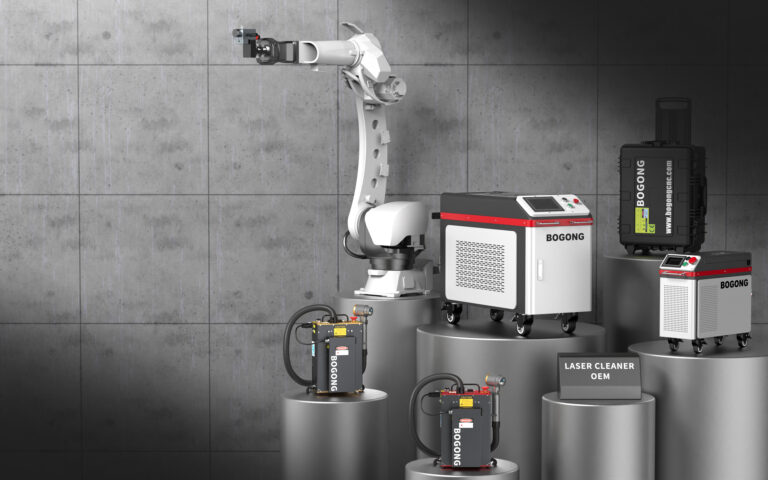
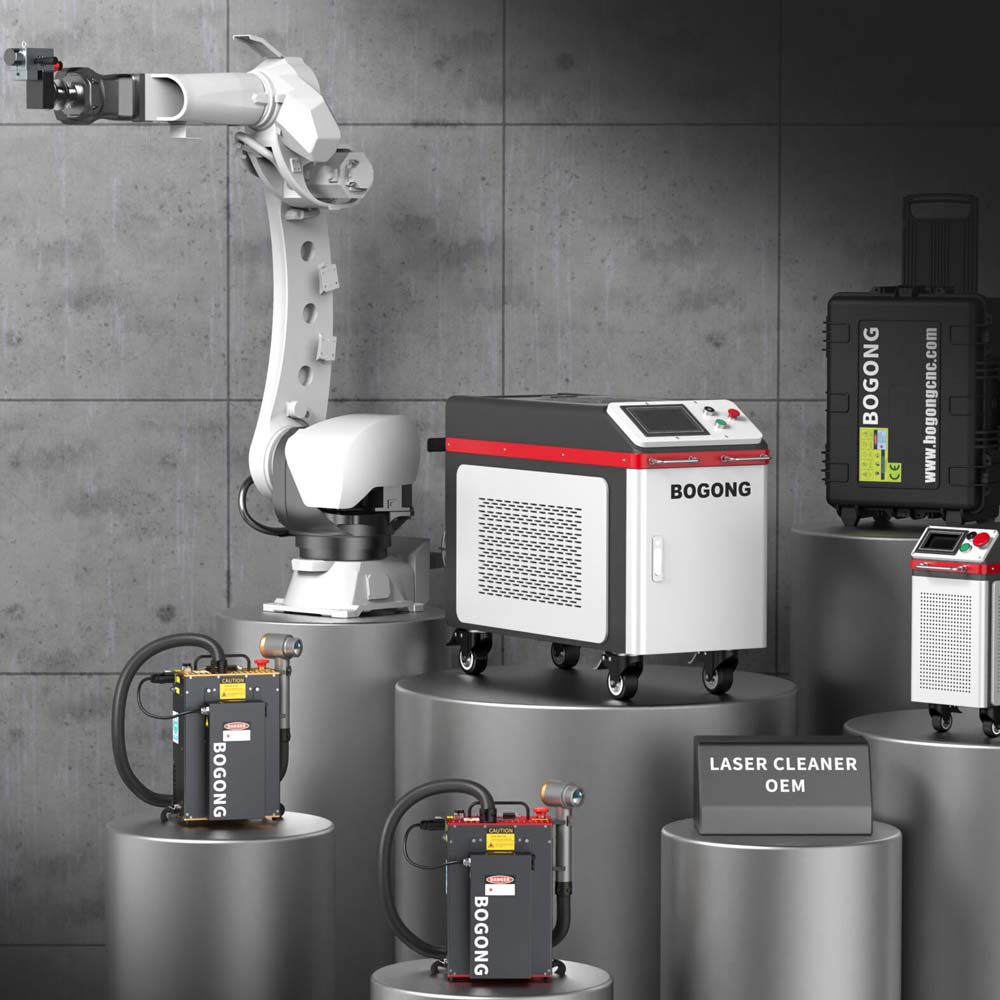
Cost effectiveness is never generic—it depends on your materials, throughput, quality requirements, and existing pain points. At BOGONG Machinery, we work with manufacturers and service providers to analyze real applications, compare total process costs, and determine where laser cleaning makes financial sense before any purchase decision is made. If you want an honest evaluation based on your actual use case—not marketing assumptions—contact BOGONG Machinery and start with a practical, numbers-driven discussion.
Talk to Bogong Laser Cleaning Machines ExpertsGet a Quote or Customized Solution for Your Application

-
Whatsapp: +86-15665870861
-
Email: info@bogongcnc.com