Laser Cleaning Machine Cost: A Complete, Engineering-Grade Guide to Pricing, Ownership, and Real ROI
When people ask about the cost of a laser cleaning machine, they are rarely asking a single question. Some want to know the purchase price. Others are trying to estimate operating cost per hour. Many are quietly asking a much more important question: will this machine actually save or make money over time compared with what we are doing now? Confusion arises because laser cleaning changes the cost structure of surface preparation entirely. It replaces consumables, waste, and variability with capital investment, process control, and utilization economics. Looking only at the price tag almost guarantees a wrong conclusion.
The real cost of a laser cleaning machine is not defined by its sticker price, but by total cost of ownership, utilization rate, and the downstream costs it eliminates or reduces. This guide explains laser cleaning cost from an engineering and operational perspective, not a sales brochure perspective, so you can evaluate it realistically before committing capital.
Table of Content
HIDE
1. Purchase Price: What a Laser Cleaning Machine Actually Costs to Buy
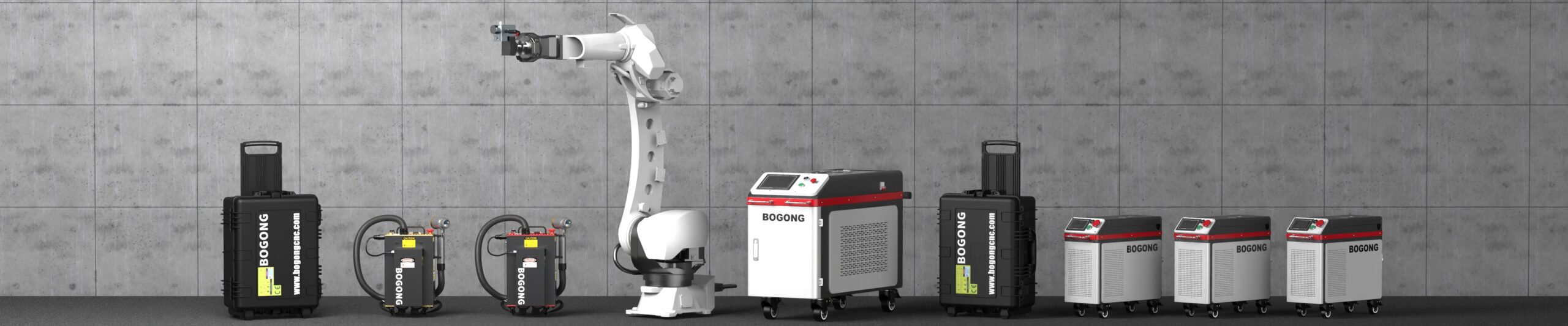
The most visible part of laser cleaning cost is the initial purchase price, and it varies widely depending on configuration, laser type, power level, and system integration. Understanding why prices differ is essential before comparing numbers.
Typical Market Price Ranges
| Laser Cleaning Type | Typical Power Range | Approximate Price (USD) |
|---|---|---|
| Entry-level pulsed laser cleaner | 50–100 W | $10,000 – $25,000 |
| Industrial pulsed laser cleaner | 200–300 W | $30,000 – $70,000 |
| High-power pulsed systems | 500–1000 W | $70,000 – $150,000 |
| CW laser cleaner (handheld) | 1000–2000 W | $20,000 – $50,000 |
| High-power CW systems | 3000 W+ | $50,000 – $120,000 |
| Automated / enclosed systems | Custom | $80,000 – $250,000+ |
These numbers reflect equipment only. They do not include extraction, safety accessories, or integration costs.
Why Prices Vary So Much
Two machines that look similar on paper can differ significantly in cost because of:
- Laser source quality and lifespan
- Pulse control and beam stability
- Scanner and optical components
- Cooling system robustness
- Software and parameter control
- Safety systems and certifications
- Build quality and service support
A lower-priced machine is not automatically bad, but cheaper systems often rely on lower-duty components or narrower process windows. This matters later when utilization increases.
2. Configuration Cost: The Expenses Buyers Often Miss
A laser cleaning machine is rarely used alone. Supporting systems are not optional if the machine is expected to work safely and consistently in industrial conditions.
Fume Extraction and Filtration
Laser cleaning generates airborne byproducts that must be captured. A proper extraction system typically costs:
| Extraction System | Cost Range (USD) |
|---|---|
| Basic portable extractor | $2,000 – $4,000 |
| Industrial HEPA system | $4,000 – $8,000 |
| HEPA + activated carbon | $8,000 – $15,000 |
Skipping extraction reduces upfront cost but increases long-term risk, rework, and downtime.
Safety Equipment and Setup
Laser safety is a cost item, not an afterthought.
| Safety Item | Typical Cost |
|---|---|
| Laser safety goggles (certified) | $100 – $300 per unit |
| Safety curtains / barriers | $500 – $3,000 |
| Warning signage and interlocks | $200 – $1,000 |
In many facilities, safety setup determines where the machine can be used. Poor safety design directly limits utilization.
Electrical and Facility Preparation
Laser cleaning machines are electrically efficient, but they still require:
- Stable power supply
- Proper grounding
- Adequate cooling air or water
Facility preparation costs are usually modest ($500–$3,000), but ignoring them causes reliability problems.
3. Operating Cost: What It Really Costs Per Hour to Run
Once installed, laser cleaning machines are comparatively inexpensive to operate, but they are not free. Understanding operating cost per hour helps determine realistic ROI.
Electricity Consumption
Laser cleaning systems convert electrical energy into optical energy efficiently. Typical electricity cost per hour is low.
| Laser Type | Typical Power Draw | Electricity Cost/hr* |
|---|---|---|
| Pulsed 200–300 W | ~1–2 kW | <$1 |
| CW 1500–3000 W | ~2–5 kW | $1–$3 |
*Varies by region and energy price.
Electricity is rarely the deciding cost factor.
Consumables: Filters and Optics
Laser cleaning replaces abrasives with filters and optics maintenance.
| Consumable | Typical Frequency | Cost Impact |
|---|---|---|
| Pre-filters | Monthly | Low |
| HEPA filters | 6–12 months | Medium |
| Protective lenses | As needed | Low–medium |
Compared with blasting media or chemical disposal, these costs are predictable and controllable.
Labor Cost
Laser cleaning does not eliminate labor, but it often reduces labor variability. One operator can manage:
- Cleaning
- Inspection
- Parameter selection
Labor cost depends on region, but laser cleaning generally reduces fatigue and rework, stabilizing labor expense per job.
4. Cost per Job: Why Hourly Cost Is the Wrong Metric
Many buyers ask, “How much does laser cleaning cost per hour?” That question misses the point. What matters is cost per completed job, not cost per hour.
Traditional Methods vs Laser Cleaning
| Cost Factor | Blasting / Chemicals | Laser Cleaning |
|---|---|---|
| Setup time | High | Low |
| Consumables | High | Low |
| Cleanup | High | Minimal |
| Rework | Medium | Low |
| Downtime | Longer | Shorter |
Even if laser cleaning appears more expensive per hour, total job cost is often lower because fewer steps are involved.
Example: Rust Removal on a Steel Component
| Method | Total Job Cost |
|---|---|
| Sandblasting | $400 |
| Chemical stripping | $350 |
| Laser cleaning | $280 |
The savings come from reduced handling, cleanup, and rework—not speed alone.
5. Utilization: The Factor That Makes or Breaks Cost Effectiveness
A laser cleaning machine’s cost efficiency depends more on how often it is used than on how much it costs.
Utilization Impact on Effective Cost
| Annual Usage | Effective Cost per Hour* |
|---|---|
| 200 hours/year | High |
| 600 hours/year | Moderate |
| 1200+ hours/year | Low |
*Including depreciation, maintenance, and operating cost.
This is why laser cleaning works best when:
- Integrated into daily production
- Used across multiple applications
- Planned into maintenance cycles
Occasional use rarely justifies ownership unless downtime savings are substantial.
6. Hidden Savings: Where Laser Cleaning Really Pays Back
Laser cleaning’s cost advantage is often indirect.
Reduced Rework and Scrap
Cleaner, more consistent surfaces lead to:
- Better coating adhesion
- Fewer weld defects
- Longer component life
These savings often exceed cleaning cost itself.
Lower Waste and Compliance Costs
Laser cleaning dramatically reduces:
- Hazardous waste
- Disposal fees
- Environmental compliance burden
In regulated industries, this has real financial value.
Downtime Reduction
In maintenance and shutdown scenarios, shorter downtime can justify laser cleaning even if direct cleaning cost is higher.
7. Ownership vs Outsourcing: A Cost Decision
Not every company should buy a laser cleaning machine.
| Situation | Better Choice |
|---|---|
| Frequent, repeat cleaning | Ownership |
| High downtime cost | Ownership |
| Rare or unpredictable jobs | Outsourcing |
| Limited capital | Outsourcing initially |
Many companies outsource first, then bring laser cleaning in-house once volume stabilizes.
8. Long-Term Cost View: Laser Cleaning as Infrastructure
Laser cleaning machines are best evaluated over 5–8 years, similar to CNC machines. Over time:
- Cost per job decreases
- Applications expand
- Utilization improves
This long-term view explains why laser cleaning often looks expensive upfront but economical later.
Final Perspective: What Laser Cleaning Machines Really Cost
Laser cleaning machines are capital-intensive tools with low and predictable operating costs. Their true cost is shaped by utilization, application fit, and downstream savings rather than purchase price alone. Companies that evaluate them purely as replacements for blasting often misjudge them. Companies that evaluate them as process upgrades often find strong, durable ROI.
Want a Cost Breakdown for Your Application?
Laser cleaning cost is never generic. It depends on what you clean, how often you clean it, and what problems you are trying to eliminate. BOGONG Machinery works with manufacturers and service providers to analyze real applications, compare total process cost, and select laser cleaning systems that make financial sense long-term. If you want a realistic cost model instead of assumptions, contact BOGONG Machinery and start with an application-driven discussion.
Talk to Bogong Laser Cleaning Machines ExpertsGet a Quote or Customized Solution for Your Application

-
Whatsapp: +86-15665870861
-
Email: info@bogongcnc.com