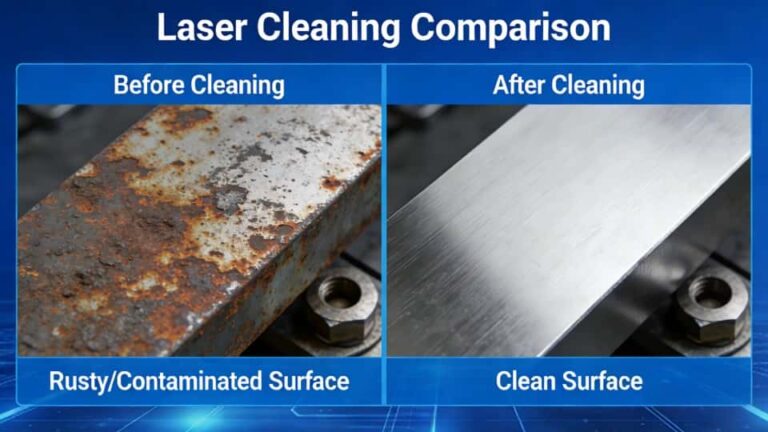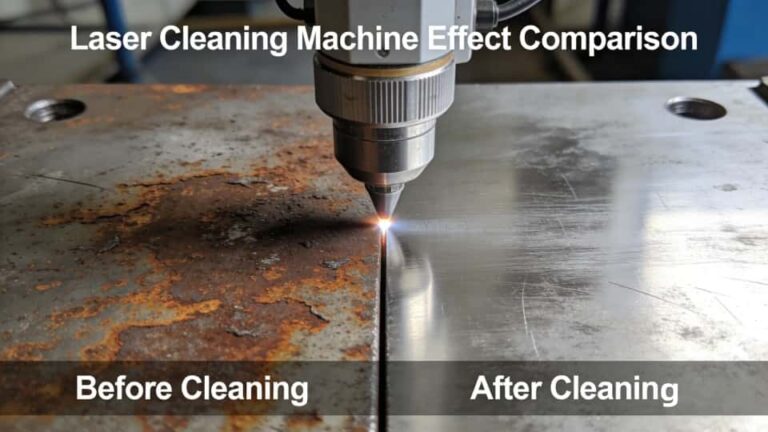
In which industries are laser cleaning machines most useful?
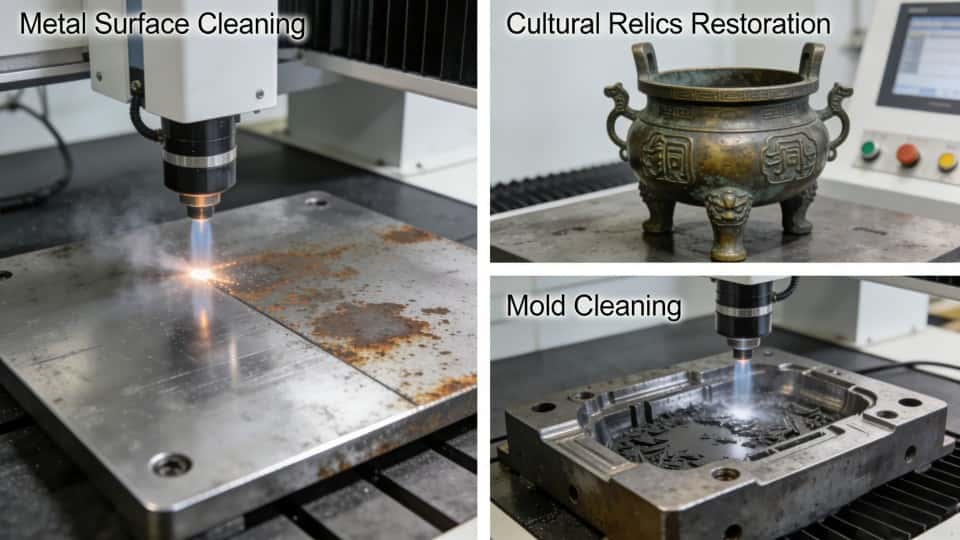
Industrial contamination is universal—rust, paint, oxides, grease, carbon deposits, release agents, welding residue, and surface films affect nearly every manufacturing sector. Traditional cleaning methods such as sandblasting, chemical stripping, and mechanical grinding often introduce secondary problems: substrate damage, abrasive embedding, chemical waste disposal, labor intensity, and environmental compliance risks. As global manufacturing shifts toward precision, automation, and sustainability, many industries are evaluating laser cleaning technology as a more controlled, efficient, and environmentally responsible solution.
Laser cleaning machines are most useful in industries where precision surface preparation, substrate protection, environmental compliance, automation compatibility, and repeatable quality control are critical. These industries include automotive manufacturing, aerospace, shipbuilding, heavy equipment maintenance, mold manufacturing, rail transportation, energy infrastructure, electronics, and cultural heritage restoration.
To understand where laser cleaning delivers the greatest industrial value, we must examine sector-specific contamination challenges, process requirements, and performance expectations.
Table of Content
HIDE
Automotive Manufacturing and Restoration
The automotive sector is one of the largest adopters of laser cleaning technology.
Key Applications
- Rust removal from body panels
- Weld seam pre-treatment
- Paint stripping for repair
- Mold cleaning in tire production
- Removal of oil and stamping residue
Automotive manufacturing demands:
- Precise surface preparation
- Consistent weld quality
- Minimal panel distortion
- High automation compatibility
Laser cleaning excels because it removes oxides and coatings without thinning sheet metal or embedding abrasives.
Automotive Process Comparison
| Requirement | Sandblasting | Laser Cleaning |
|---|---|---|
| Thin Sheet Protection | Moderate risk | Excellent |
| Automation Integration | Limited | High |
| Weld Seam Cleaning | Inconsistent | Precise |
| Waste Generation | High | Minimal |
In robotic welding lines, laser cleaning systems are often integrated directly before welding stations to ensure oxide-free joints.
Aerospace Industry
Aerospace components require extremely tight dimensional tolerances and zero contamination.
Typical Aerospace Applications
- Oxide removal from aluminum alloys
- Surface preparation before bonding
- Turbine blade cleaning
- Removal of thermal barrier coatings
- Carbon deposit removal
Laser cleaning offers:
- Non-contact processing
- No abrasive embedding
- Minimal heat-affected zone
- Controlled micro-texturing
Aerospace Cleaning Comparison
| Factor | Traditional Methods | Laser Cleaning |
|---|---|---|
| FOD Risk | High | Very Low |
| Substrate Integrity | Moderate | Excellent |
| Chemical Waste | High (in stripping) | None |
| Precision | Moderate | High |
For aerospace manufacturers, avoiding foreign object debris (FOD) is critical. Laser cleaning eliminates abrasive media contamination.
Shipbuilding and Marine Industry
Marine environments cause heavy corrosion and coating degradation.
Applications
- Hull rust removal
- Localized paint stripping
- Weld seam cleaning
- Spot repair before repainting
Laser cleaning is particularly useful for:
- Targeted corrosion repair
- Sensitive areas near electronics
- Maintenance without abrasive containment
While sandblasting remains common for large hull areas, laser systems are increasingly used for precision repair tasks.
Marine Industry Evaluation
| Cleaning Task | Sandblasting | Laser Cleaning |
|---|---|---|
| Large Hull Surface | Faster | Moderate |
| Spot Corrosion | Moderate | Excellent |
| Paint Removal Control | Low | High |
| Environmental Compliance | Challenging | Easier |
Heavy Equipment and Construction Machinery
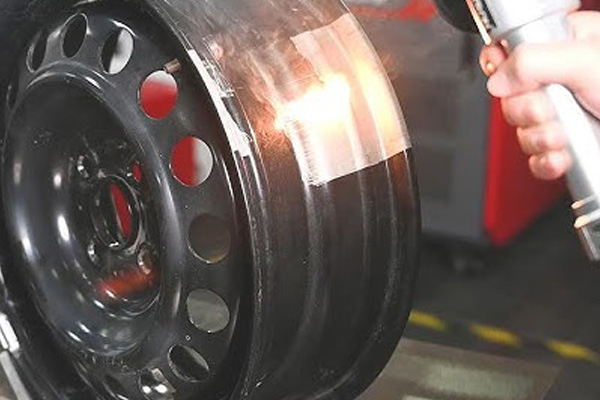
Construction and mining equipment operate in harsh environments.
Typical Uses
- Rust removal from structural frames
- Engine component cleaning
- Maintenance refurbishment
- Hydraulic system cleaning
Laser cleaning minimizes downtime and preserves part dimensions.
Heavy Equipment Comparison
| Criterion | Mechanical Grinding | Laser Cleaning |
|---|---|---|
| Surface Damage | High | Very Low |
| Operator Fatigue | High | Low |
| Precision | Low | High |
| Automation Potential | Low | Moderate |
Laser cleaning is especially valuable in refurbishment workshops.
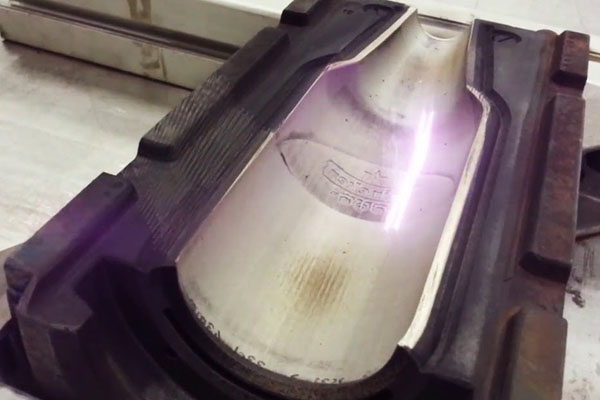
Mold and Tool Manufacturing
Precision molds require regular cleaning to maintain surface finish.
Applications
- Plastic injection mold cleaning
- Tire mold cleaning
- Die-casting mold cleaning
- Release agent removal
Laser cleaning:
- Removes carbonized residue
- Preserves polished surfaces
- Avoids chemical soaking
- Reduces downtime
Mold Cleaning Efficiency
| Factor | Chemical Cleaning | Laser Cleaning |
|---|---|---|
| Surface Finish Preservation | Moderate | Excellent |
| Downtime | Long | Short |
| Environmental Impact | High | Low |
Laser cleaning allows in-situ mold maintenance without disassembly.
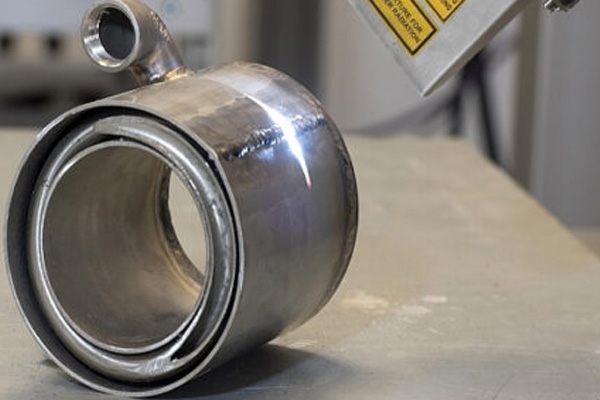
Rail Transportation
Rail infrastructure and rolling stock require continuous maintenance.
Applications
- Rust removal from tracks
- Paint stripping from carriages
- Brake component cleaning
- Electrical contact surface cleaning
Laser systems are portable and adaptable for rail maintenance operations.
Energy and Power Generation
Energy infrastructure demands high reliability.
Applications
- Turbine blade cleaning
- Nuclear plant surface decontamination
- Wind tower rust removal
- Pipeline surface preparation
Laser cleaning supports:
- Minimal waste generation
- Controlled material removal
- Reduced downtime

Electronics and Precision Manufacturing
In electronics manufacturing, contamination tolerance is extremely low.
Applications
- Oxide removal from connectors
- Micro-scale cleaning
- PCB surface preparation
- Battery tab cleaning
Laser cleaning provides micron-level precision.
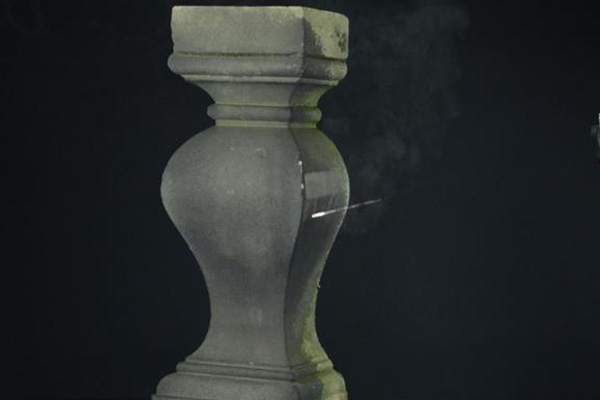
Cultural Heritage Restoration
Laser cleaning is widely used in conservation.
Applications
- Stone monument cleaning
- Metal artifact restoration
- Removal of soot and pollution layers
Non-contact cleaning preserves delicate surfaces.
Industry Adoption Summary Table
| Industry | Main Benefit of Laser Cleaning |
|---|---|
| Automotive | Weld precision & panel protection |
| Aerospace | Zero contamination |
| Shipbuilding | Spot corrosion repair |
| Heavy Equipment | Maintenance efficiency |
| Mold Manufacturing | Surface preservation |
| Rail | Portable precision cleaning |
| Energy | Controlled oxide removal |
| Electronics | Micron-level precision |
| Restoration | Non-destructive cleaning |
Industries Where Laser Cleaning Is Less Dominant
Laser cleaning may be less suitable when:
- Extremely thick coatings (>1 mm)
- Very large rough structural surfaces
- Ultra-low budget environments
In such cases, hybrid approaches may be adopted.
Economic Impact by Industry
Industries benefit from:
- Reduced consumables
- Lower waste disposal
- Improved automation
- Enhanced quality control
- Reduced rework
Long-term ROI improves significantly in precision sectors.
Final Industrial Assessment
Laser cleaning machines are most useful in industries requiring:
- Precision surface preparation
- Substrate protection
- Environmental compliance
- Automation compatibility
- Repeatable quality control
Automotive, aerospace, mold manufacturing, energy, heavy equipment maintenance, rail systems, and shipbuilding are leading adopters because laser cleaning aligns with modern manufacturing demands.
As industrial processes evolve toward cleaner, smarter production systems, laser cleaning continues expanding into new sectors where traditional abrasive or chemical methods no longer meet performance or regulatory standards.
Let’s Evaluate Your Industry Application
At BOGONG Machinery, we provide application-specific laser cleaning solutions tailored to your industry—whether automotive production lines, shipyard maintenance, mold workshops, aerospace repair facilities, or heavy equipment refurbishment centers.
If you’re unsure whether laser cleaning fits your sector, our engineering team can analyze your contamination type, production scale, and operational goals to determine the most efficient configuration.
Contact BOGONG Machinery to discuss how laser cleaning can enhance performance, reduce waste, and improve precision in your industry.
Talk to Bogong Laser Cleaning Machines ExpertsGet a Quote or Customized Solution for Your Application

-
Whatsapp: +86-15665870861
-
Email: info@bogongcnc.com