Advantages of Using a Handheld Laser Sander
Table of Content
HIDE
Advantages of Using a Handheld Laser Sander
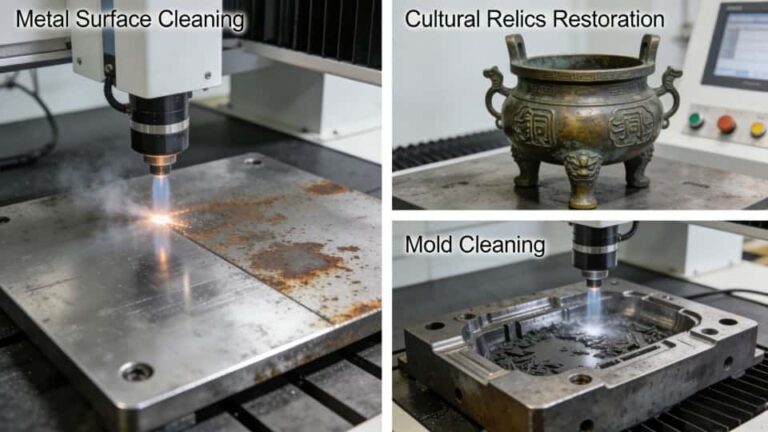
A handheld laser sander uses controlled laser energy to remove coatings, residue, oxidation, or fine surface layers without relying on abrasive paper. For makers, woodworkers, restorers, and workshops, the appeal is simple: laser sanding can reduce consumable waste, improve control, and help prepare delicate or detailed surfaces with less physical contact. While it is not the right tool for every job, it can be a powerful option when precision, cleanliness, and repeatability matter.
What makes a handheld laser sander different?
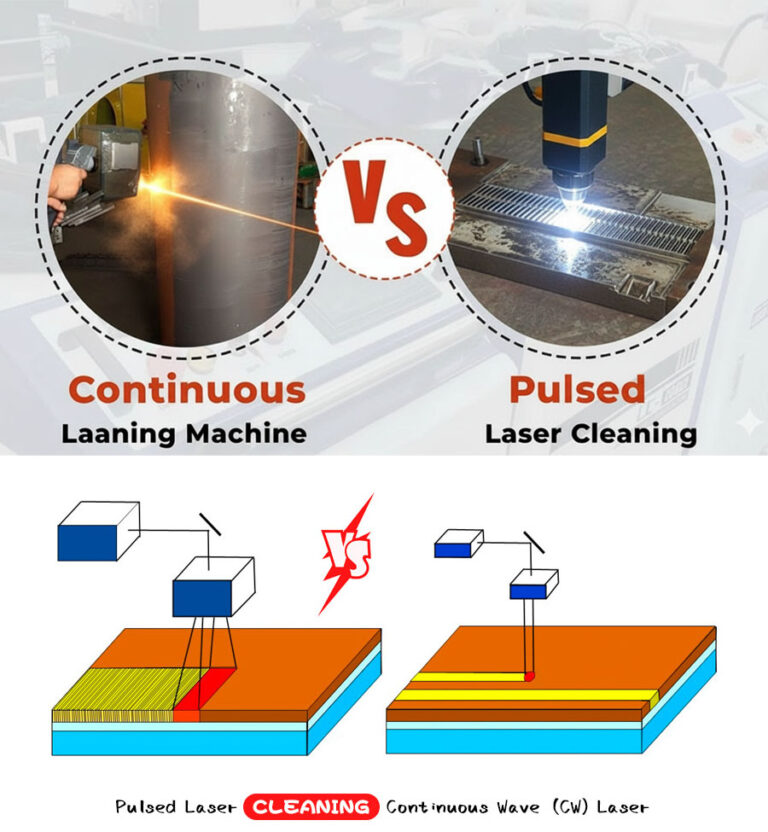
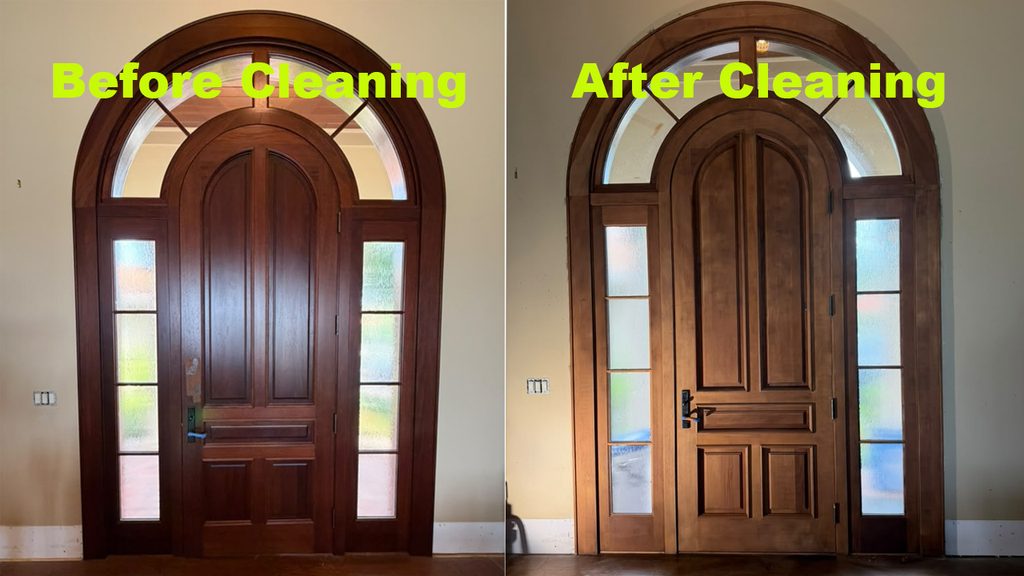
A laser sander handheld tool removes or alters surface material with focused light rather than friction. Traditional sanding works by scraping the surface with abrasive grit, which gradually wears down and must be replaced. A pulse laser sander, by contrast, delivers short bursts of energy that can break down paint, varnish, contaminants, or a thin upper layer while limiting direct mechanical stress on the base material.
That difference changes the workflow. Instead of choosing grits, replacing discs, and managing piles of dust, the operator adjusts settings, maintains the right working distance, and moves the beam across the surface in a controlled pattern. The result can be a cleaner, more selective process, especially on surfaces where aggressive sanding could round edges, erase detail, or create uneven marks.
This does not mean laser sanding replaces every orbital sander, belt sander, or sanding block. Abrasives are still useful for shaping, leveling, and finishing many materials. The advantage of laser technology is strongest when the goal is careful surface preparation, coating removal, or cleaning rather than heavy stock removal.
The main advantages in everyday workshop use
The benefits of a handheld laser sander become clearest when you look at common workshop frustrations: dust, worn abrasives, inconsistent pressure, and hard-to-reach details. Laser sanding addresses many of these issues by making the process more controlled and less dependent on physical force.
Key advantages include:
- Less abrasive waste: There are no sanding discs, belts, or sheets to replace during the laser process, which can reduce consumable use over time.
- Cleaner operation: Laser systems can reduce the amount of loose sanding dust produced, especially when paired with proper extraction and ventilation.
- Greater precision: The operator can target specific areas instead of sanding a wider section than necessary.
- Reduced surface pressure: Since the tool does not need to grind against the workpiece, it can help protect delicate profiles and details.
- Consistent results: With the right settings and technique, a laser sanding machine for wood or mixed workshop use can provide repeatable surface treatment.
- Better access to detailed areas: Edges, grooves, carvings, and irregular surfaces may be easier to treat than with flat abrasive pads.
The practical impact is smoother workflow. You spend less time changing grits, cleaning dust from every corner, or fixing sanding marks caused by uneven pressure. For professionals, that can support efficiency. For hobbyists, it can make challenging prep work feel more manageable.
Why woodworkers are paying attention
A laser sander for wood is especially interesting because wood surfaces often need care rather than force. Decorative trim, furniture legs, carved panels, doors, and reclaimed boards can all be difficult to sand evenly with conventional tools. Too much pressure can flatten detail, soften crisp edges, or leave visible swirl marks.
Laser sanding gives the operator a way to work selectively. For example, when removing an old finish from a carved chair back, abrasives may struggle to reach recesses without damaging raised areas. A handheld laser can be guided over the surface while the beam interacts with the coating or top layer, helping preserve the underlying form when used correctly.
This is why searches for laser sanders for wood are becoming more common among people who restore furniture, maintain architectural woodwork, or prepare custom pieces for refinishing. The best use cases are not always about speed alone. They are often about reducing rework and protecting details that would be difficult to recreate.
That said, wood is a natural and variable material. Species, grain, moisture, finish type, color, and prior treatments can all affect how a surface responds. Operators should test on a hidden area or scrap piece before treating the visible workpiece, then adjust settings and movement accordingly.
Where laser sanding performs especially well
Handheld laser tools are most useful when the task calls for targeted surface treatment rather than broad, aggressive removal. In these situations, the technology can offer a cleaner and more controlled alternative to abrasive methods.
Strong use cases include:
Removing old coatings from detailed surfaces Paint, varnish, and other coatings can build up in corners, grooves, and carved areas. Laser sanding can help treat those areas without forcing sandpaper into every recess.
Preparing surfaces before refinishing When the goal is to clean or lightly prepare the surface, a laser can help create a more consistent starting point before staining, sealing, or repainting.
Restoring delicate pieces Antique furniture, decorative panels, and custom woodwork often require a gentle approach. Reduced mechanical contact can be a major benefit.
Cleaning localized defects Instead of sanding an entire panel, the operator may be able to focus on a stain, residue patch, or small area of surface contamination.
Working around complex shapes Curves, profiles, and ornamental details can be awkward for flat sanders. A handheld system gives the operator more freedom to follow the shape.
These examples show why laser sanding is not just a novelty. It solves real problems in surface preparation, especially when the cost of over-sanding is high.
Is laser sanding better than traditional sanding?
Laser sanding is better for some jobs, but traditional sanding is still better for others. If you need to remove a large amount of material, flatten a slab, shape an edge, or progress through grits for a final tactile finish, conventional abrasive sanding remains practical and familiar. If you need precision coating removal, reduced dust, or a gentler approach on detailed surfaces, a handheld laser sander can be the better choice.
Think of the two methods as complementary. Abrasive sanding is excellent for mechanical shaping and smoothing. Laser sanding is strongest for selective cleaning, finish removal, and surface preparation where contact pressure could create damage.
A balanced workflow might use a pulse laser sander to remove a coating from a carved cabinet door, then use fine hand sanding only where needed before applying a new finish. This approach can reduce the amount of abrasive work while still taking advantage of the feel and control that traditional finishing provides.
The decision depends on the workpiece, the finish, and the desired result. A production shop may value consistency and reduced consumables. A restorer may value preservation. A small woodworking business may value the ability to take on more complex refinishing projects with confidence.
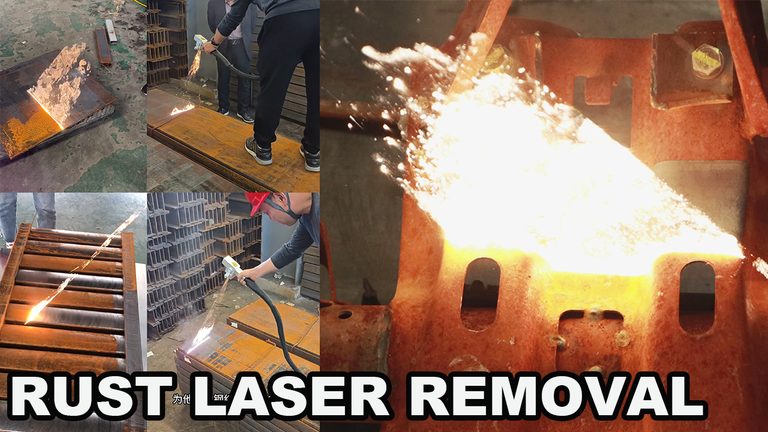
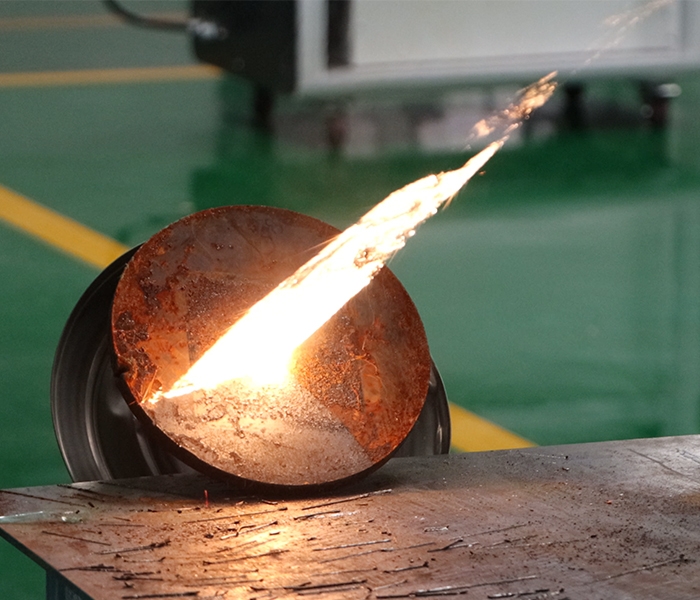
There have several pulse laser sanding machine with different laser power and different single pulse energy, like 300W 500W 1000W, Single pulse energy have 1mJ, 1.5mJ, 15mJ and 50mJ. you can see different speed and cleaning speed from below video.
Safety and setup still matter
Because a handheld laser sander uses concentrated energy, safe operation is essential. The tool may reduce some sanding-related mess, but it introduces its own precautions. Operators should follow the manufacturer’s guidance, use appropriate protective eyewear, control access to the work area, and ensure proper ventilation or extraction for fumes and particles released from coatings.
Good setup also affects results. The operator should understand power settings, pulse behavior, travel speed, beam focus, and the reaction of the material being treated. Moving too slowly, using excessive energy, or failing to test first can damage the surface. Moving too quickly may produce incomplete removal.
A practical pre-use checklist can help:
- Confirm the material and coating are suitable for laser treatment.
- Test on scrap or an inconspicuous area first.
- Use laser-rated eye protection recommended for the equipment.
- Remove reflective hazards from the work area.
- Provide ventilation or extraction, especially when removing old finishes.
- Keep the beam moving smoothly and consistently.
- Inspect the surface often rather than waiting until the entire piece is complete.
Used thoughtfully, laser sanding can be precise and efficient. Used casually, it can create avoidable risk or uneven results.
What to consider before choosing a laser sander
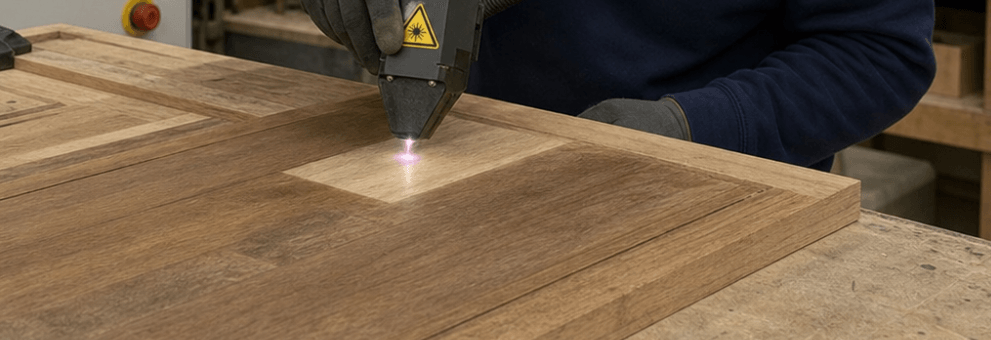
Before investing in a laser sanding machine for wood, consider the type of work you do most often. A tool that is excellent for restoration may not be the best answer for heavy leveling. A system designed for industrial cleaning may be more machine than a small studio needs. Matching the tool to the task is more important than choosing the most powerful option.
Look at these factors:
- Material compatibility: Make sure the machine is suitable for wood and any coatings you commonly remove.
- Control options: Adjustable settings help you fine-tune performance for different surfaces.
- Ergonomics: A laser sander handheld unit should feel manageable during real work, not just in a product photo.
- Training requirements: Laser sanding rewards good technique, so clear instructions and support matter.
- Extraction needs: Plan for fumes, residue, and workspace safety from the start.
- Project volume: Frequent restoration or coating-removal work may justify the investment more easily than occasional light sanding.
- Finish expectations: Consider whether the laser-treated surface will still need final hand sanding before finishing.
You may also see the term “lazer sanding” online. That spelling is usually just a typo for laser sanding, but it points to the same growing interest in cleaner, more precise surface preparation.
Better results come from better technique
The best results rarely come from simply pointing the tool at the surface and moving randomly. Like spraying finish or routing an edge, laser sanding improves with rhythm and control. Consistent overlap, steady speed, and careful observation all help create an even result.
For wood, start conservatively. Use lower settings when possible, test frequently, and pay attention to color change, odor, and surface texture. If the goal is coating removal, focus on removing the unwanted layer rather than trying to perfect the final finish in one pass. Afterward, inspect the surface under good light and decide whether light abrasive sanding is needed.
It also helps to divide a project into sections. On a door panel, for instance, you might treat the profiles first, then the flat center, then the edges. This keeps movement controlled and reduces the chance of overworking one area while missing another.
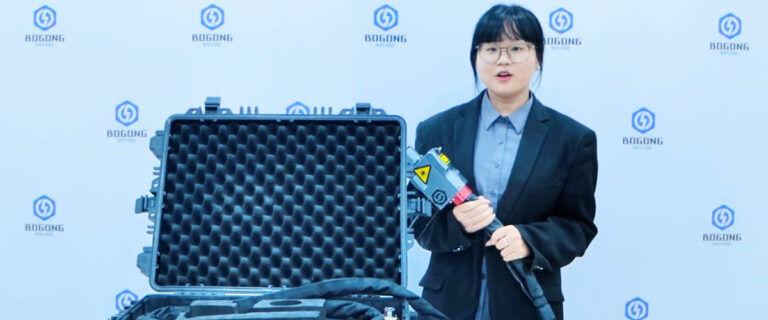
One of BOGONG buyer who purchase one pulse laser sanding machine from others, then he purchase another one from BOGONG, this buyer said ours machine is more faster then his old laser sanding machine. you can see video below:
The takeaway for modern workshops
A handheld laser sander can make surface preparation cleaner, more precise, and less dependent on abrasive pressure. It is especially useful for detailed woodwork, restoration projects, selective coating removal, and situations where preserving the underlying surface matters. For many users, the greatest advantage is not replacing every sanding tool, but reducing the most frustrating parts of sanding.
If your work often involves delicate surfaces, old finishes, grooves, carvings, or hard-to-reach details, laser sanding is worth serious consideration. Choose the right equipment, follow safety guidance, test before committing, and treat it as part of a complete finishing workflow. Used well, a pulse laser sander can become a practical upgrade for cleaner, more controlled craftsmanship.
Talk to Bogong Laser Cleaning Machines ExpertsGet a Quote or Customized Solution for Your Application

-
Whatsapp: +86-15665870861
-
Correio eletrónico: info@bogongcnc.com