


Laser Cleaners
What compliance standards apply to industrial laser cleaning machines?
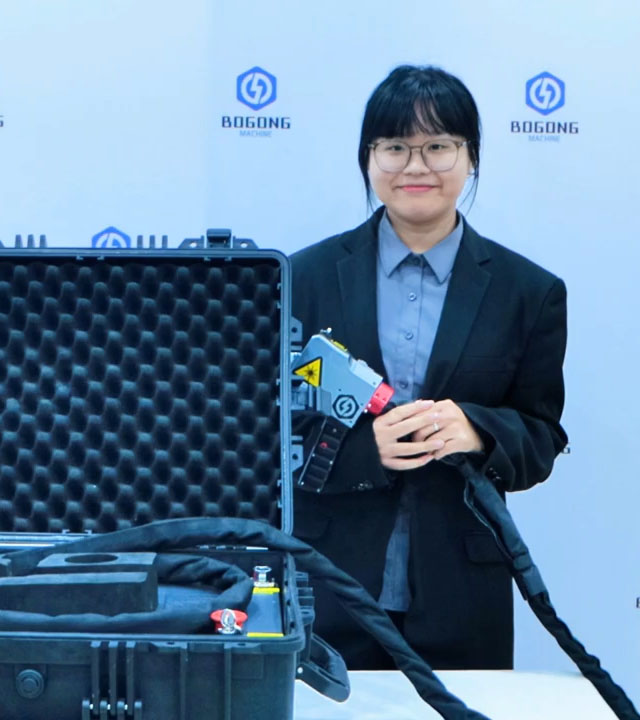
Industrial laser cleaning machines are powerful Class 4 laser systems capable of delivering high-energy optical radiation. While they provide precision surface treatment and environmental advantages over sandblasting and chemical stripping, they also introduce significant safety, electrical, electromagnetic, and occupational health…
How to optimize laser parameters for better cleaning results?
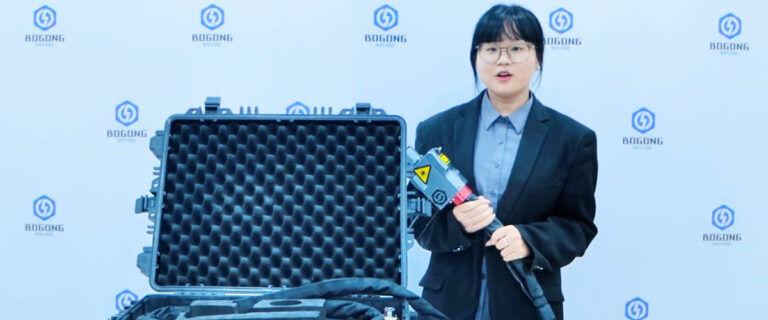
Many operators assume that increasing laser power automatically improves cleaning performance. In reality, improper parameter configuration can reduce efficiency, cause incomplete removal, overheat the substrate, create discoloration, or waste energy. Laser cleaning is not simply about “maximum wattage”—it is about…
What are the main components and principles of a laser cleaning machine?
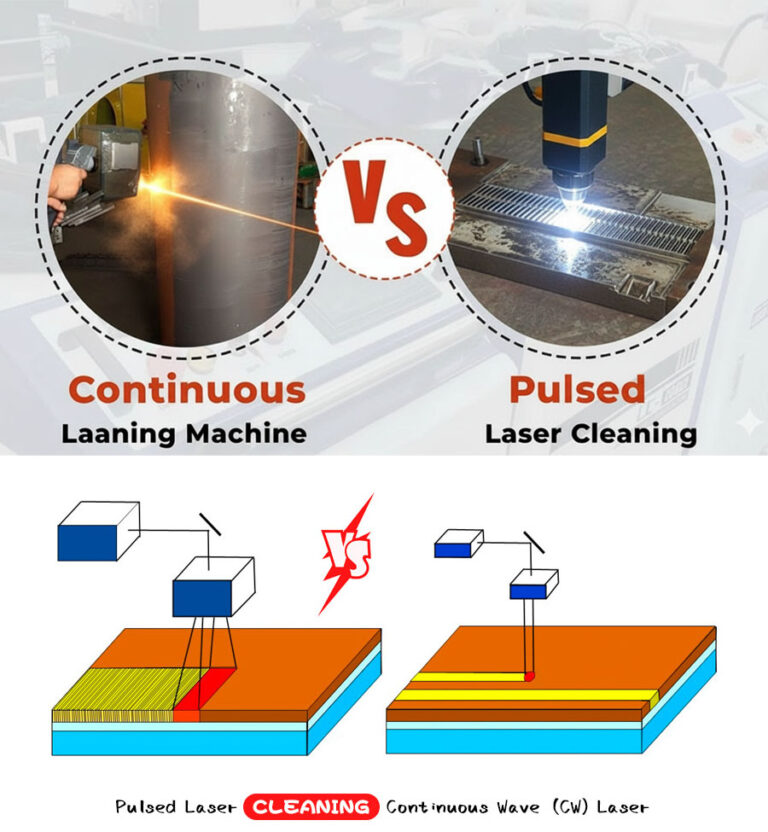
Industrial surface contamination—rust, oxides, paint, oil, carbon deposits, release agents—has traditionally been removed using abrasive blasting, chemical stripping, or mechanical grinding. These methods are effective but introduce secondary challenges: substrate damage, abrasive embedding, hazardous waste, dimensional loss, environmental regulation pressure,…
What permanently stops rust?
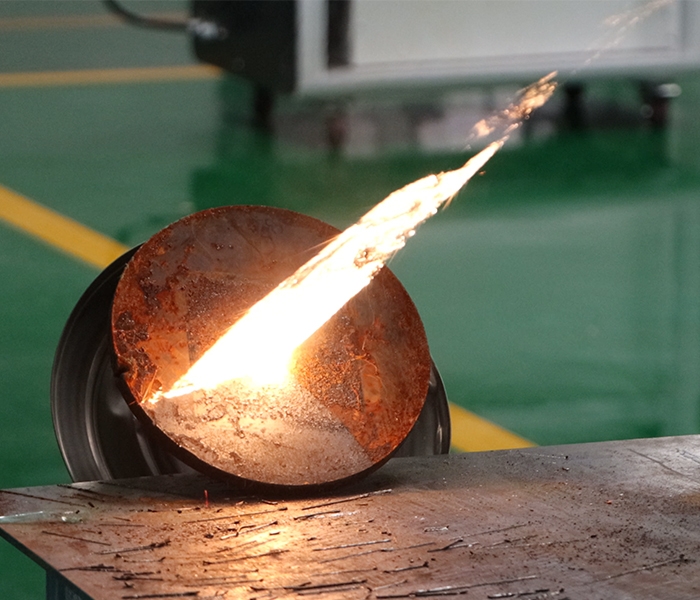
Rust is not just a surface stain—it is an electrochemical reaction that continuously destroys steel from the inside out. Once corrosion begins, it spreads under coatings, weakens structural integrity, contaminates assemblies, and leads to expensive repair cycles. Many industries attempt…
In which industries are laser cleaning machines most useful?
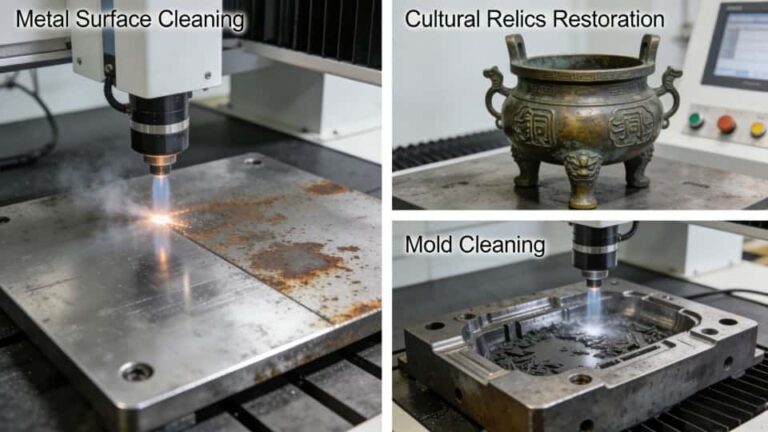
Industrial contamination is universal—rust, paint, oxides, grease, carbon deposits, release agents, welding residue, and surface films affect nearly every manufacturing sector. Traditional cleaning methods such as sandblasting, chemical stripping, and mechanical grinding often introduce secondary problems: substrate damage, abrasive embedding,…
How much power does a laser rust remover use?
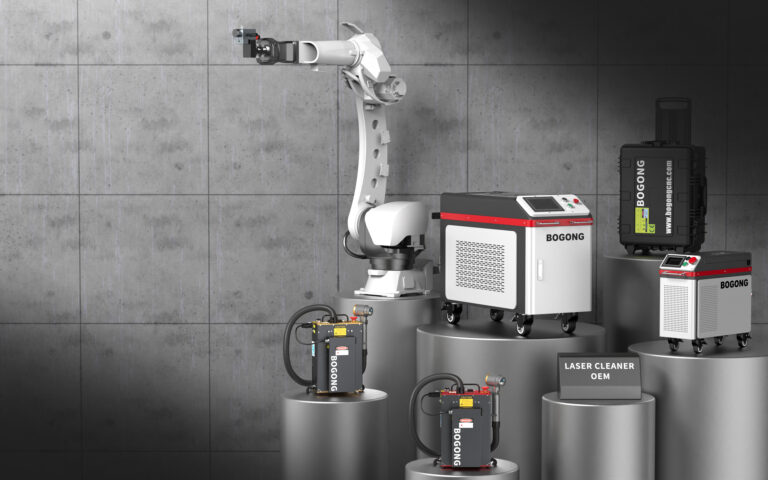
\ When manufacturers consider purchasing a laser rust remover, one of the first technical and financial questions is power consumption. Buyers often see labels such as 1000W, 1500W, or 2000W and assume that number directly equals electricity usage. However, misunderstanding…
Does a laser rust remover also remove paint?
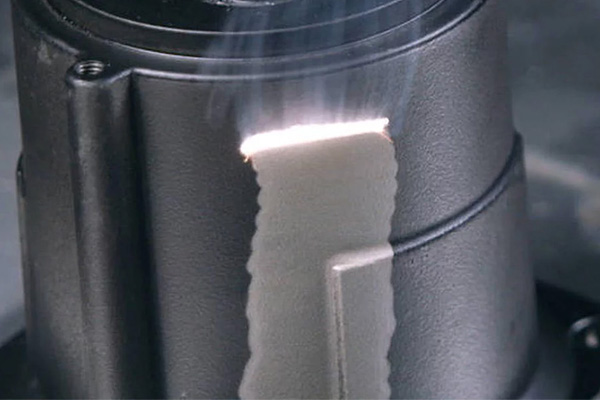
When investing in a laser rust remover, many industrial users assume it is designed only for corrosion. However, in real-world manufacturing and maintenance environments, metal surfaces rarely suffer from rust alone. They are often covered with multilayer paint systems, primers,…
How to compare laser cleaning machine suppliers effectively?
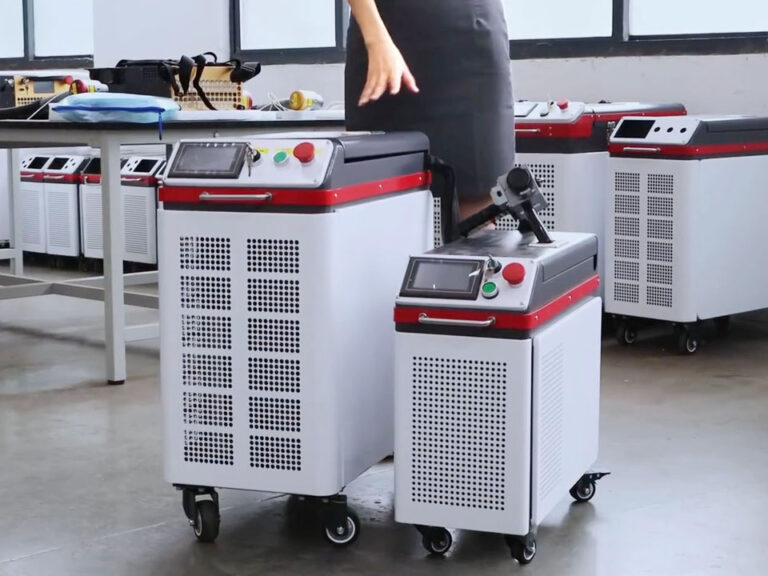
Choosing a laser cleaning machine supplier is not merely a purchasing decision—it is a strategic capital investment that directly affects productivity, cleaning performance, maintenance costs, operator safety, and long-term return on investment. Many buyers make the mistake of comparing only…
Can laser rust removal damage the underlying metal?
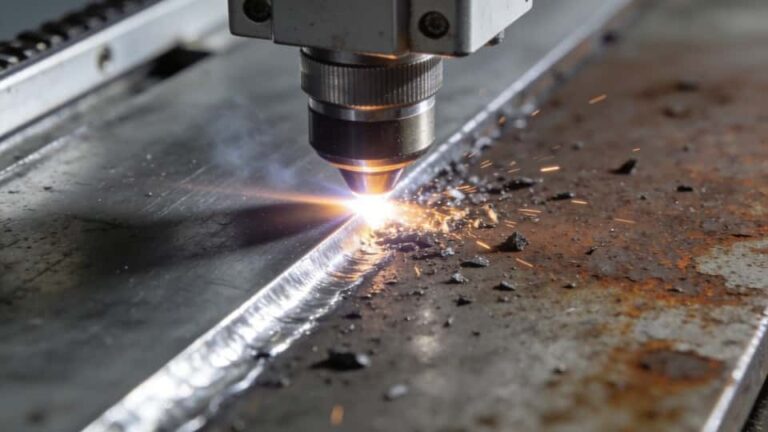
Corrosion removal is not just about eliminating rust—it is about preserving structural integrity, dimensional accuracy, metallurgical properties, and long-term fatigue resistance. Many engineers, restoration professionals, and maintenance managers hesitate before adopting laser rust removal because of a critical concern: Can…
Is laser cleaning more effective than sandblasting?
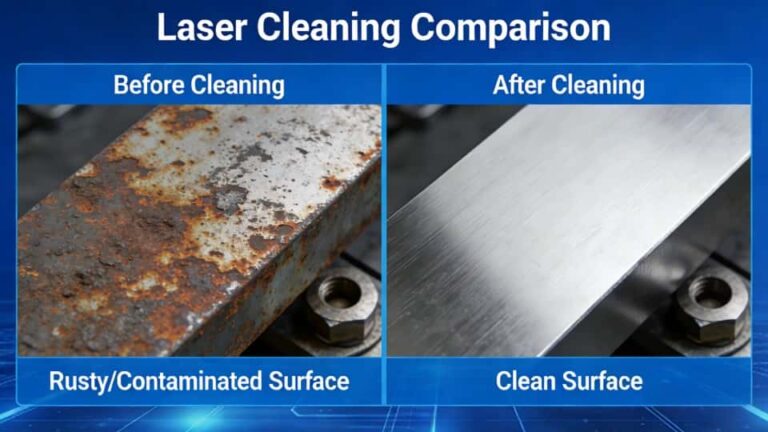
Corrosion, paint buildup, oxide scaling, oil contamination, and coating failure are daily operational challenges in heavy industry. For decades, sandblasting has been the dominant solution for surface preparation. However, modern manufacturers are increasingly questioning whether abrasive blasting remains the most…
Does Laser Rust Removal Leave Any Residue?
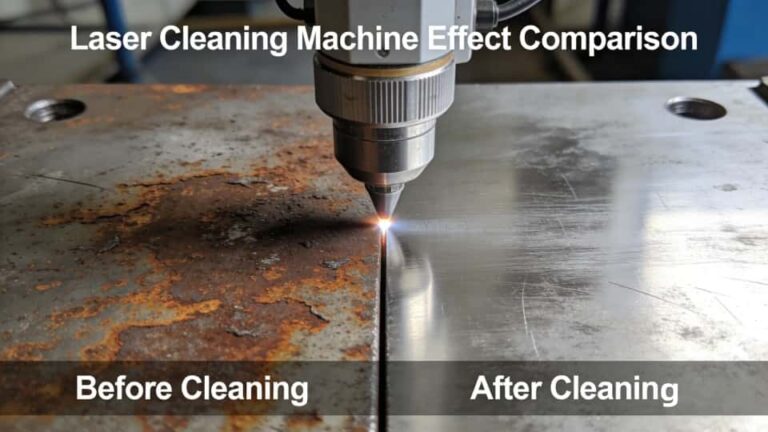
Rust contamination is not just a cosmetic defect—it compromises structural integrity, coating adhesion, weld quality, electrical conductivity, and long-term corrosion resistance. Many manufacturers hesitate before adopting laser rust removal because of one critical question: Will it leave residue that affects…
Do cheap laser cleaners work?
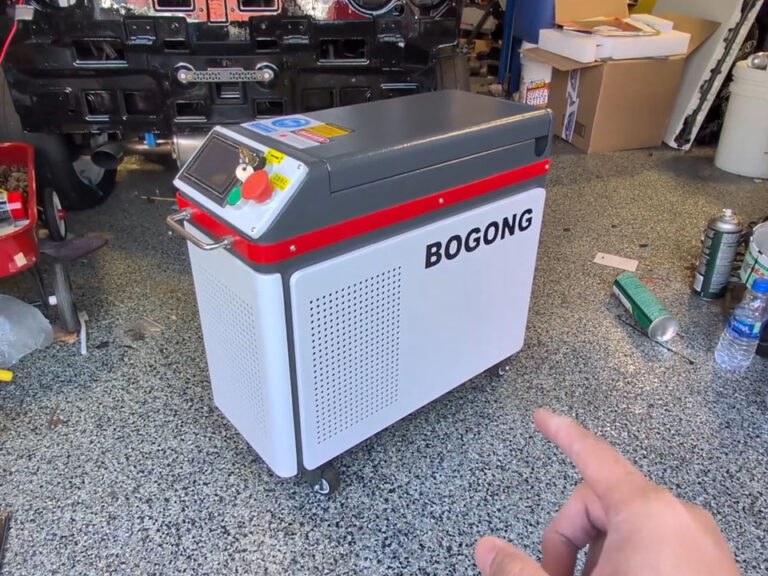
If you are considering buying a cheap laser cleaning machine, you are likely facing a practical dilemma: traditional rust removal methods are messy, labor-intensive, environmentally unfriendly, and costly in the long term. Sandblasting creates dust and media waste, chemical cleaning…