


Laser Cleaners
What Type of Cleaning Is the Most Profitable?
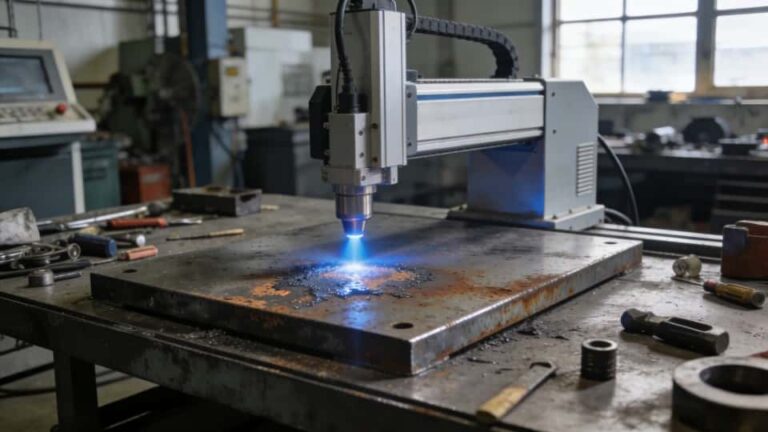
Cleaning is often treated as a cost center—something that must be done but rarely analyzed as a profit driver. Yet across manufacturing, maintenance, and service industries, cleaning methods directly shape labor costs, throughput, quality outcomes, environmental compliance, and long-term asset…
Is There a Market for Laser Cleaning?
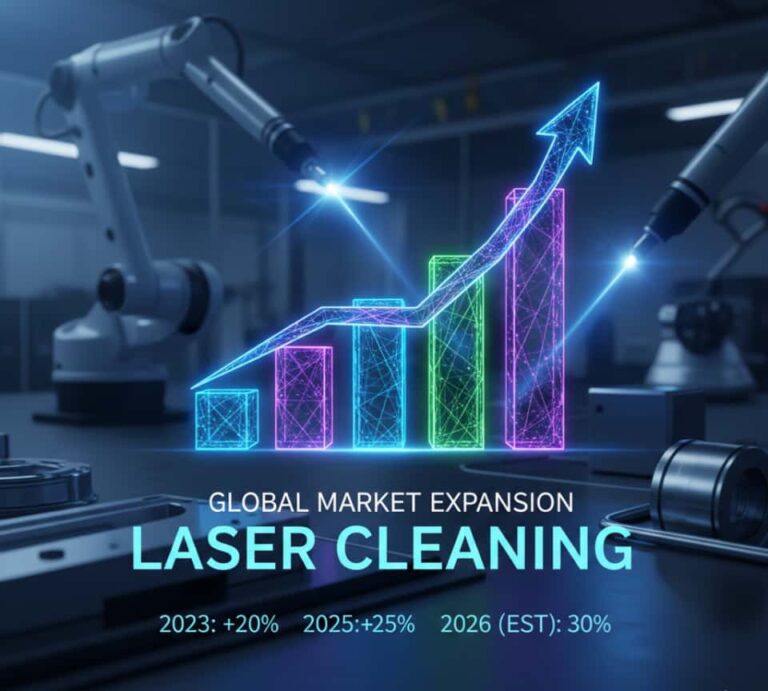
Laser cleaning has moved rapidly from a niche laboratory technique into mainstream industrial discussion. Yet many decision-makers—manufacturers, contractors, distributors, and investors alike—still ask the same fundamental question: is there really a market for laser cleaning, or is it just a…
How Long Do Laser Cleaning Machines Last?
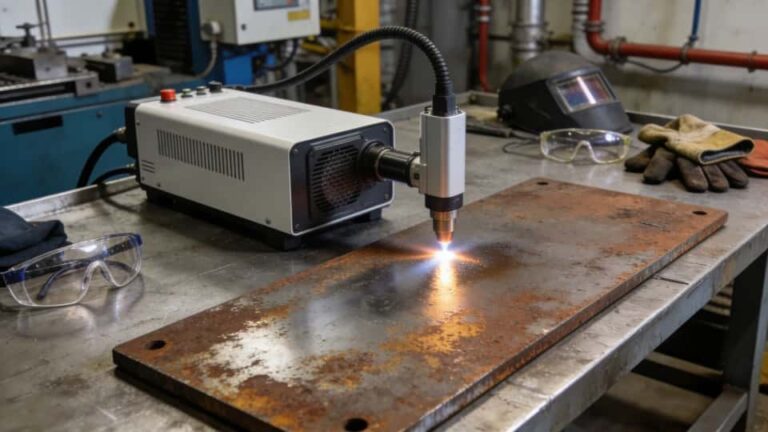
Laser cleaning machines are often described using impressive numbers—“50,000 hours,” “100,000 hours,” or even “decades of service life.” Yet in real factories, workshops, and shipyards, users frequently discover that machines with identical specifications age very differently. Some units remain stable…
How much do laser cleaning machines cost?
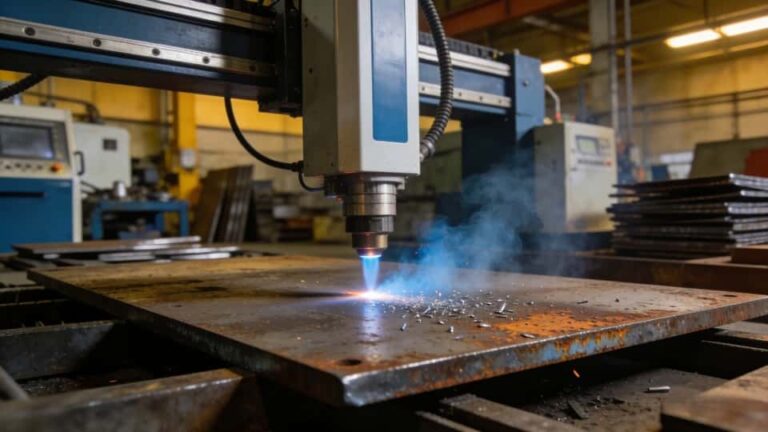
Laser cleaning has moved from a niche surface-treatment technology into a mainstream industrial solution—but one of the first questions buyers ask is also the most confusing: how much does a laser cleaning machine actually cost? The problem is that many…
What can you clean with a laser cleaning machine?
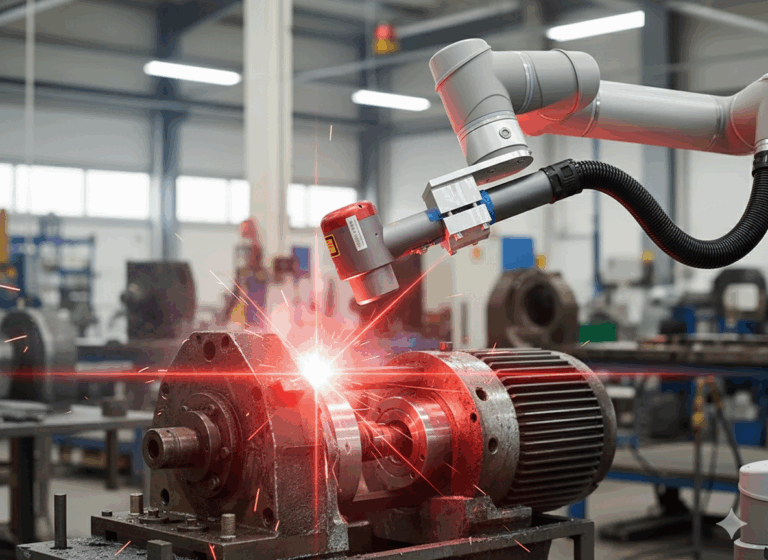
If you are considering laser cleaning for industrial, maintenance, or manufacturing use, the first and most important question is not how powerful the machine is, but what materials and contaminants it can actually remove in real production conditions. Traditional methods—sandblasting,…
Is Laser Cleaning Cost-Effective?
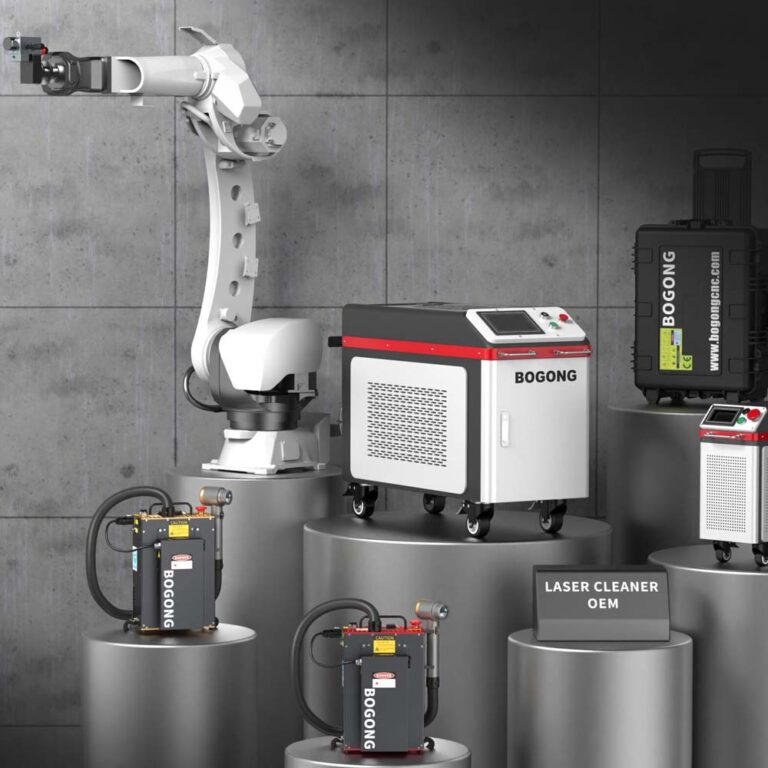
When manufacturers, contractors, or maintenance companies ask whether laser cleaning is cost-effective, they are rarely asking about electricity consumption or the price tag of the machine alone. What they are really asking is whether laser cleaning lowers total cost per…
Laser Cleaning Machines Safety: What You Must Know Before Using or Investing

Laser cleaning machines are powerful industrial tools. They deliver concentrated laser energy capable of removing rust, paint, oxides, oils, and residues with exceptional precision—but that same energy introduces real safety risks if not properly controlled. Unlike sandblasting or chemical cleaning,…
Laser Cleaning Machine: How It Works
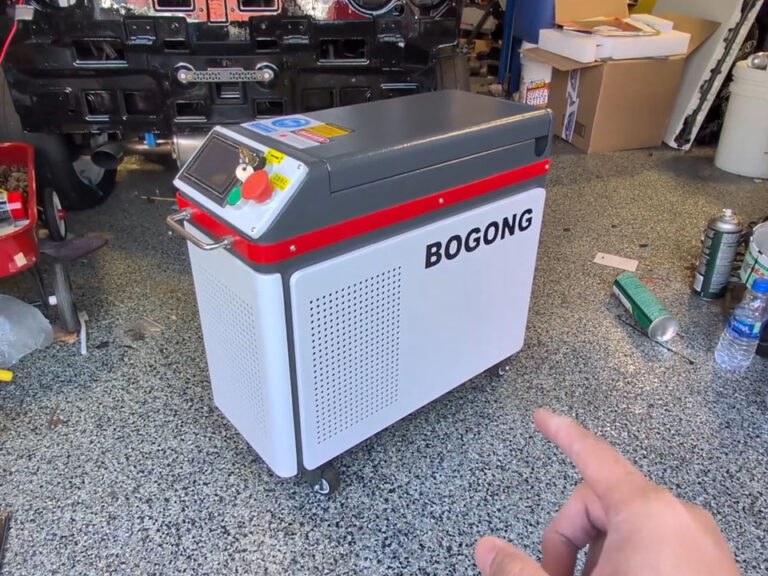
Laser cleaning machines work by using precisely controlled laser energy to remove unwanted surface layers—such as rust, paint, oxides, oil, or residues—without physical contact and with minimal impact on the underlying material. While the operation may look simple from the…
Laser Cleaning Machine Cost: A Complete, Engineering-Grade Guide to Pricing, Ownership, and Real ROI
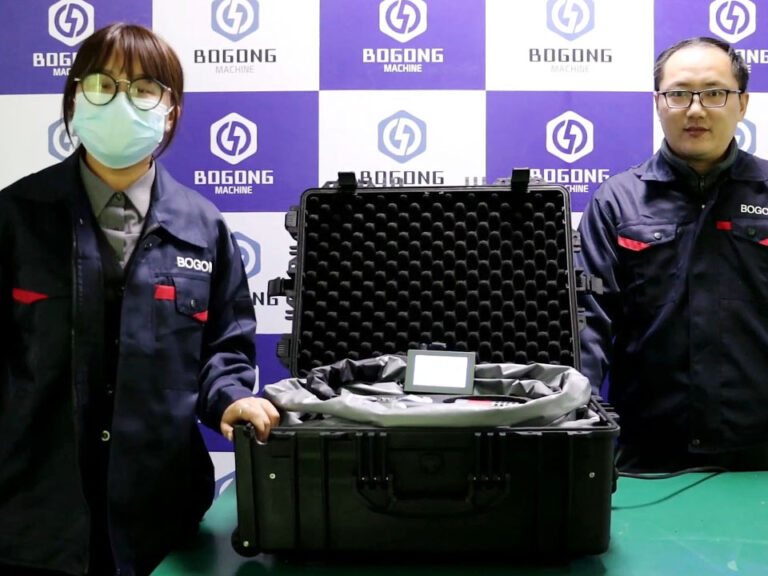
When people ask about the cost of a laser cleaning machine, they are rarely asking a single question. Some want to know the purchase price. Others are trying to estimate operating cost per hour. Many are quietly asking a much…
Laser Cleaning Machine: Things You Must Know Before Buying, Using, or Building a Business Around It

Laser cleaning machines are often marketed as revolutionary tools—cleaner than sandblasting, safer than chemicals, faster than grinding, and more precise than all three. That reputation is not entirely wrong, but it is incomplete. Many buyers discover too late that laser…
Laser Cleaning Machine Applications: A Complete Industrial Guide to Where, Why, and How It Is Used

Laser cleaning machines are often introduced as a “new cleaning method,” but in real industrial practice they function as something much broader: a precision surface treatment technology that replaces or complements sandblasting, chemical stripping, grinding, and solvent cleaning across a…
Laser Cleaning Machine Disadvantages: A Realistic, Engineering-Grade Assessment You Should Know

Laser cleaning machines are frequently presented as a “next-generation replacement” for sandblasting, chemical stripping, and mechanical cleaning. While their advantages are real and well-documented, laser cleaning is not a universal solution. In fact, many failed projects and underutilized machines result…