

Laser Cleaning Machine
- Home
- Laser Cleaning Machine
What Is a Laser Cleaning Machine?
Laser cleaning machine is an industrial surface treatment system that uses high-energy laser pulses to remove contaminants—such as rust (iron oxides), paint, oil, grease, oxides, coatings, and residues—from a substrate without mechanical contact, abrasives, or chemicals. In technical terms, it is a non-contact, photothermal and photomechanical ablation system that selectively vaporizes or dislodges surface layers while preserving the base material.
Precision Surface Cleaning. Zero Consumables. Industrial-Grade Reliability.
Bogong® Laser Cleaning Machine is a high-efficiency, non-contact surface treatment system engineered for industrial rust removal, paint stripping, oxide cleaning, oil degreasing, and coating preparation. Powered by advanced fiber laser technology, Bogong systems remove contaminants through controlled laser ablation — without abrasives, chemicals, or mechanical contact — ensuring substrate integrity and environmentally responsible operation.
✔ Stable industrial performance
✔ Lower total cost of ownership
✔ Reduced procurement risk
✔ Scalable automation readiness
✔ Reliable technical support
Certifications




Product Range
Bogong® Laser Cleaning Machine portfolio covers a complete industrial power matrix — from precision micro-cleaning systems to high-power heavy-duty corrosion removal platforms. The product range is engineered to serve manufacturing, shipbuilding, automotive, aerospace, mold maintenance, rail transport, and automated production lines.
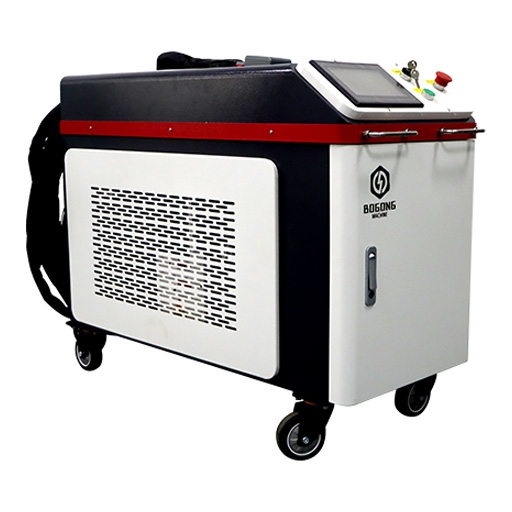
Pulsed Laser Cleaning Machine
- High Peak Power · Low Heat Input
Average Power: 20W–500W typical
Pulse Energy: 0.5–5 mJ
Pulse Width: 100 ns typical
Frequency: 20–200 kHz
Peak Power: up to several kW (depending on pulse duration)
Cooling: Air-cooled or Water-cooled
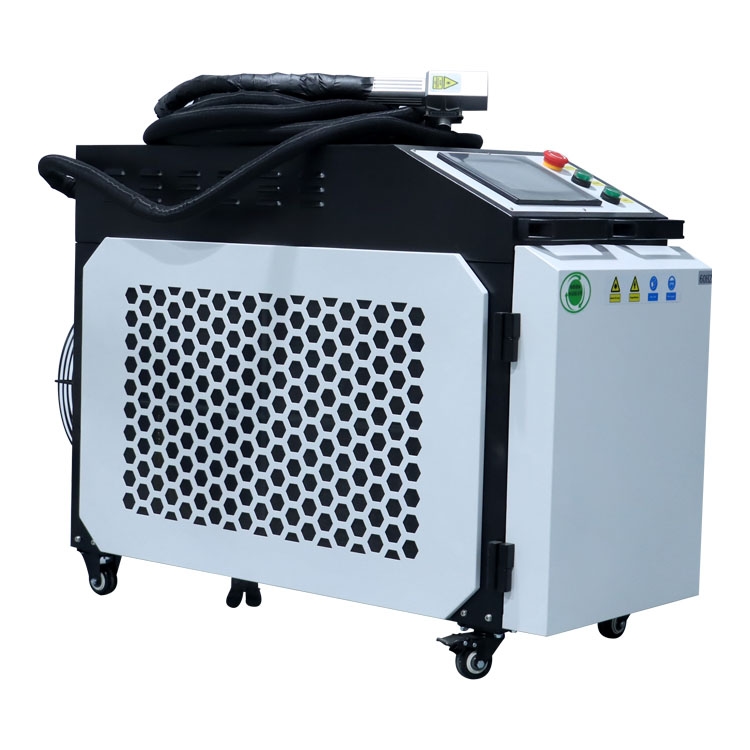
Continuous Wave (CW) Laser Cleaning Machine
- High Average Power/Continuous Output
Average Power: 1000W–6000W typical, Custom up to 12000W available
Energy Delivery: Continuous
Beam Mode: Single-mode or Multi-mode (Fiber Laser)
Cooling: Usually Water Cooling
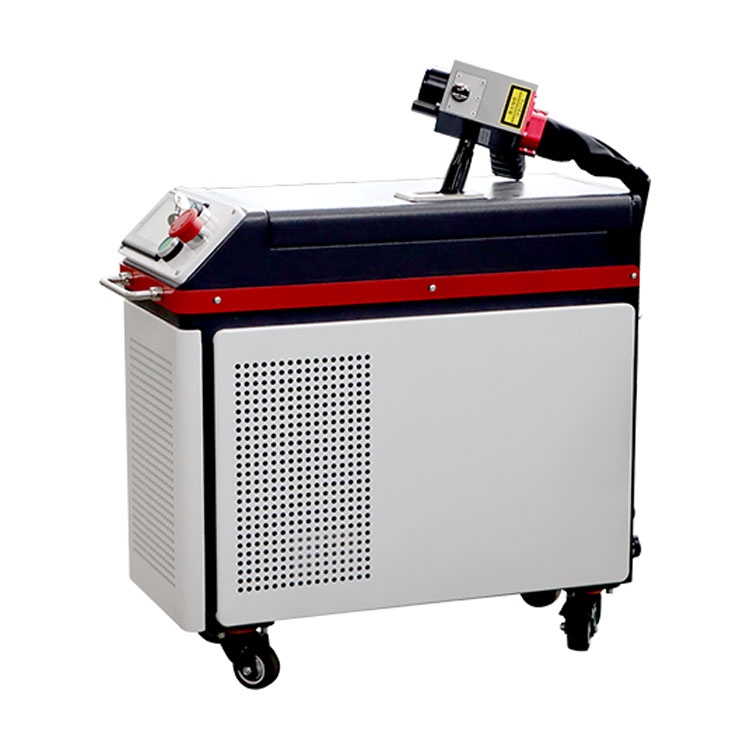
Handheld Laser Cleaning Machine
- Manual Operation Structure
Power Range: 100W–3000W
Energy Mode: Pulsed or Continuous CW
Cooling: Air-cooled or Water-cooled
Application: On-site Maintenance / Mold Cleaning / Steel Surface Treatment
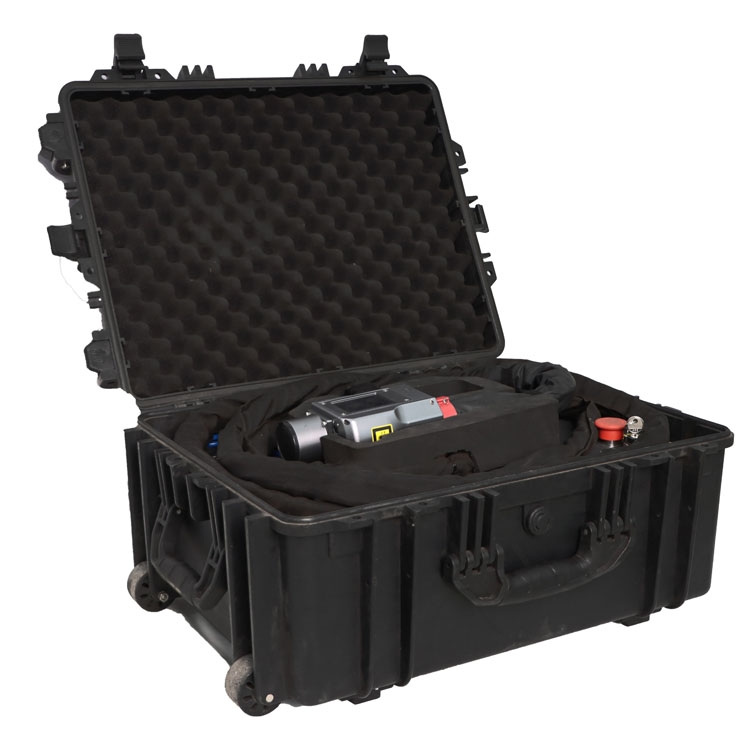
Portable laser cleaning machine
- Compact & Movable Design
Power Range: 100W–2000W
Energy Mode: Pulsed or Continuous CW
Cooling: Air-cooled or Water-cooled
Application: Field Service / Mobile Maintenance
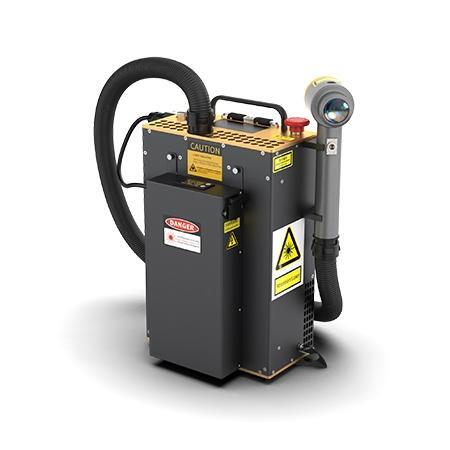
Backpack Laser Cleaning Machine
- Lightweight & Field-Ready Design
Power Range: 50W–300W typical
Energy Mode: Pulsed (Fiber Laser)
Beam Mode: Single-mode Fiber
Cooling: Air-cooled
Application: High-altitude work / Complex environments / Precision cleaning
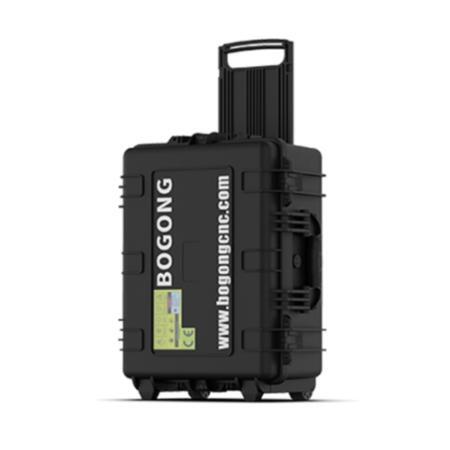
Trolley Laser Cleaning Machine
- Mobile Industrial Cleaning System
Power Range: 1000W–3000W typical
Energy Mode: Continuous CW or Pulsed
Beam Mode: Single-mode or Multi-mode Fiber
Cooling: Usually Water Cooling
Application: Steel structure / Rust removal / Industrial maintenance
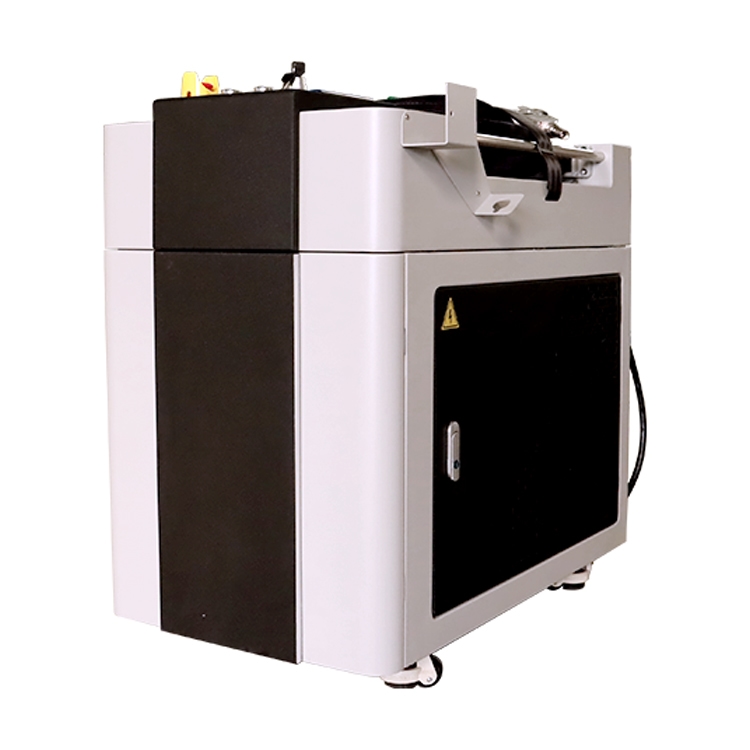
Cabinet Laser Cleaning Machine
- Heavy-Duty Industrial System
Power Range: 2000W–6000W typical
Energy Mode: Continuous CW or Pulsed
Beam Mode: Single-mode or Multi-mode Fiber
Cooling: Water Cooling
Application: Production lines / Shipbuilding / Large-scale surface treatment available
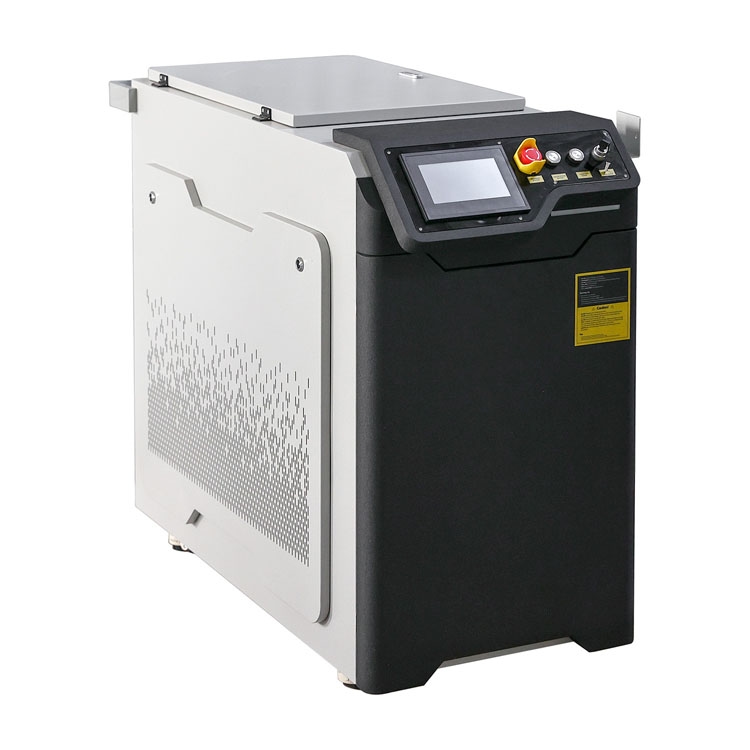
Fiber Laser Cleaning Machine
- Fiber Laser Source · High Efficiency
Laser Type: Fiber Laser (1064 nm typical)
Energy Mode: Pulsed or Continuous CW
Average Power: 50W–6000W typical
Beam Mode: Single-mode or Multi-mode
Cooling: Air or Water Cooling
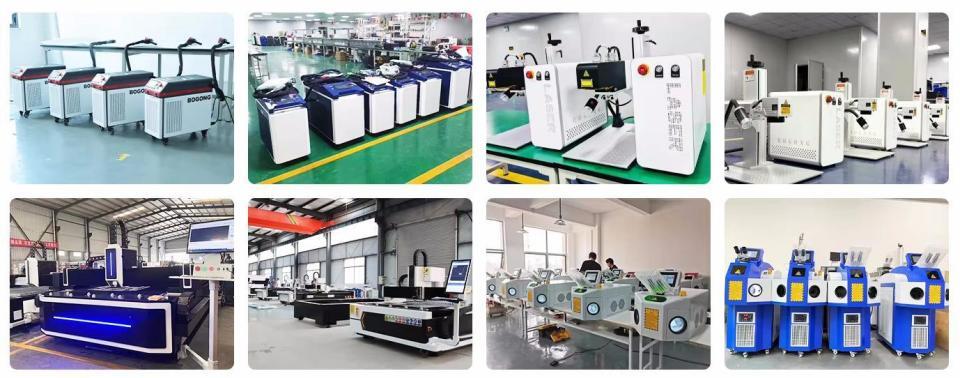
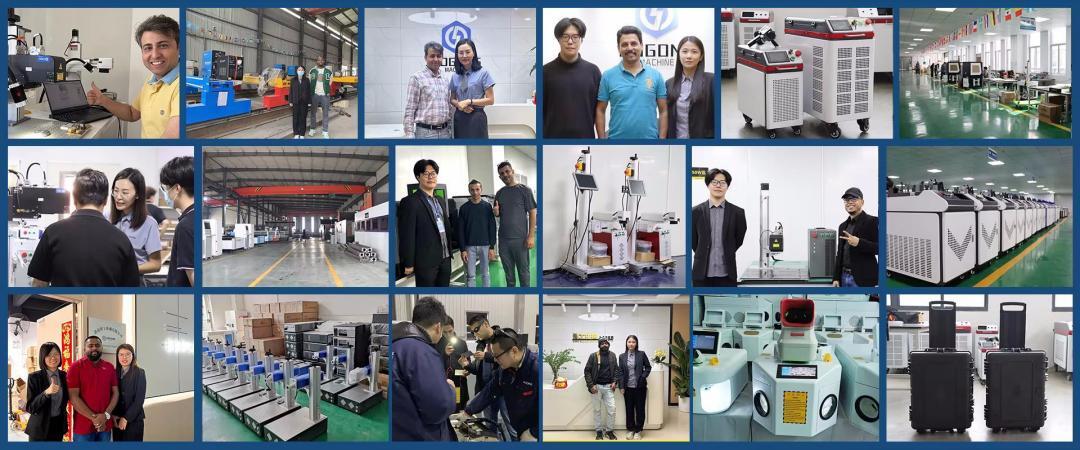
Why Choose Bogong Machinery?
With over 14 years of focused expertise, Bogong Machinery delivers stable, high-performance laser cleaning systems designed for real industrial environments — not demonstration setups.
14+ Years Dedicated to Laser Cleaning Technology
With over 14 years of focused experience in laser cleaning system development and industrial application, Bogong Machinery continuously refines system stability, performance efficiency, and engineering reliability.
For our clients, this means:
- Proven and mature technology
- Reduced trial-and-error risks
- Stable long-term performance
- Lower investment uncertainty
You are investing in validated industrial solutions — not experimental equipment.
Trusted by 9,000+ Industrial Clients Worldwide
We have served more than 9,000 customers across global industries, including:
- Steel structure manufacturing
- Shipbuilding
- Automotive production
- Mold processing
- Aerospace and high-end equipment
Our customer satisfaction rate consistently exceeds 98%, with strong repeat order and long-term partnership ratios.
Reliability builds trust — and trust drives long-term cooperation.
Exported to 160+ Countries
Bogong systems are deployed in over 160 countries and regions worldwide, including:
- Europe
- North America
- Middle East
- Southeast Asia
- South America
We understand international compliance requirements, electrical standards, and procurement expectations — ensuring smooth global deployment.
425+ Industrial Projects Successfully Delivered
We have completed more than 425 industrial-level projects, including:
- High-power steel surface cleaning systems
- Automated robotic laser cleaning cells
- Precision pulsed mold cleaning solutions
- Heavy-duty CW systems for large-scale applications
Each system is engineered based on real working conditions — not generic templates.
Certified & Compliant
Bogong Machinery holds major international certifications, including:
- CE Certification
- ISO 9001 Quality Management System
- SGS Inspection
- FDA Compliance (where applicable)
These certifications ensure product safety, quality consistency, and international market acceptance.
10%–20% Operational Cost Savings
Compared with traditional sandblasting and chemical cleaning methods, Bogong laser cleaning solutions help clients:
- Eliminate consumable costs
- Reduce labor intensity
- Minimize downtime
- Lower environmental compliance expenses
The result is measurable 10%–20% long-term operational cost savings.
We focus on delivering stable, application-matched laser cleaning systems that reduce risk and improve industrial efficiency.
Global Industrial Clients
0
+
Industrial Projects Delivered
0
+
Export Countries
0
+
Years of Industry Experience
0
+
Applications of Laser Cleaning Machines
Bogong Laser Cleaning Machine

Rust Removal
Laser cleaning machines are widely used for removing rust, corrosion, and oxide layers from steel structures, bridges, pipelines, ship hulls, and industrial equipment. By delivering concentrated laser energy to the contaminated surface, rust is vaporized or detached without mechanical abrasion, making it ideal for both heavy-duty industrial maintenance and precision surface preparation.
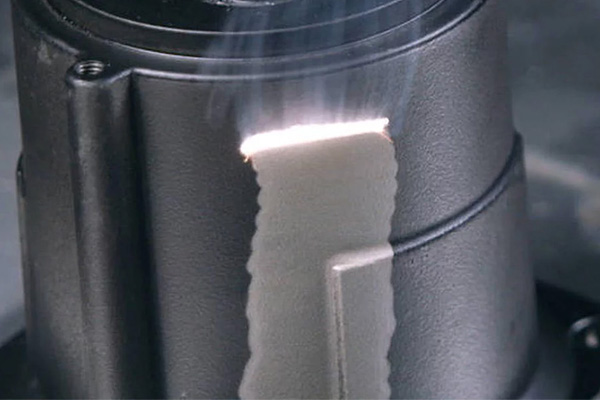
Paint & Coating Removal
Laser cleaning enables controlled removal of paint, powder coatings, epoxy layers, and protective films without damaging the base material. It is commonly applied in automotive refurbishment, aerospace surface preparation, and industrial repainting processes, allowing selective layer removal and reducing the need for chemical stripping agents.
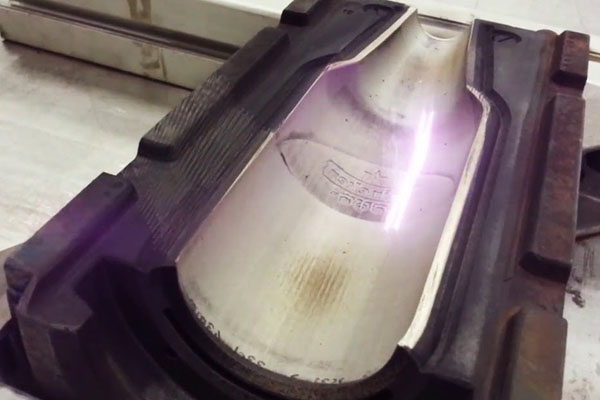
Mold Cleaning
In injection molding, die-casting, and tire manufacturing industries, laser cleaning removes carbon deposits, residues, and contaminants from molds without disassembly or abrasive wear. Pulsed laser systems are particularly effective for maintaining mold precision, extending service life, and reducing downtime in production environments.
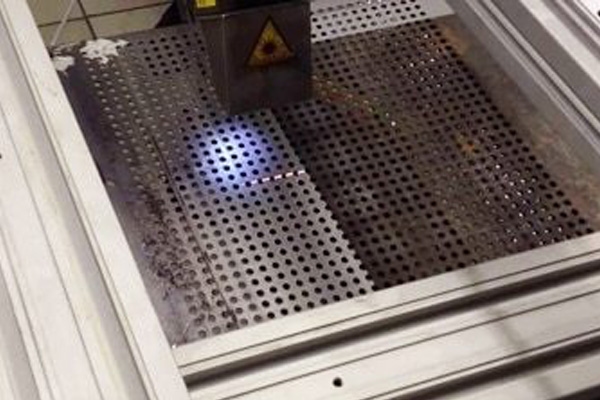
Oil & Grease Cleaning
Laser systems can efficiently eliminate oil, grease, and industrial residues from metal surfaces prior to welding, bonding, or coating. Unlike solvent-based cleaning, laser treatment leaves no chemical residue and ensures a consistent surface condition for improved adhesion and structural performance.
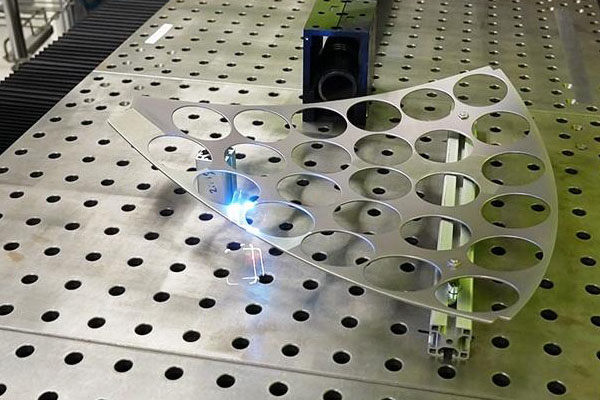
Surface Preparation Before Welding
Before welding or assembly, laser cleaning removes oxidation layers and surface contaminants to improve weld penetration and reduce defects. This application is widely used in automotive manufacturing, structural fabrication, and heavy equipment production where surface quality directly affects weld integrity.
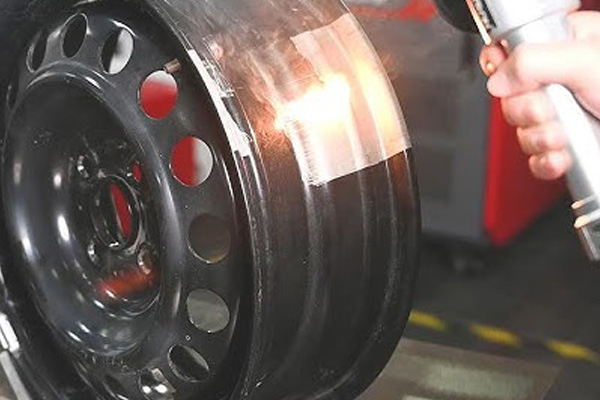
Aerospace & Precision Components
Laser cleaning is applied in aerospace and high-precision industries to remove oxide films and contaminants from aluminum and sensitive components. Pulsed systems offer minimal thermal impact, preserving material integrity while achieving micron-level control required for critical engineering applications.
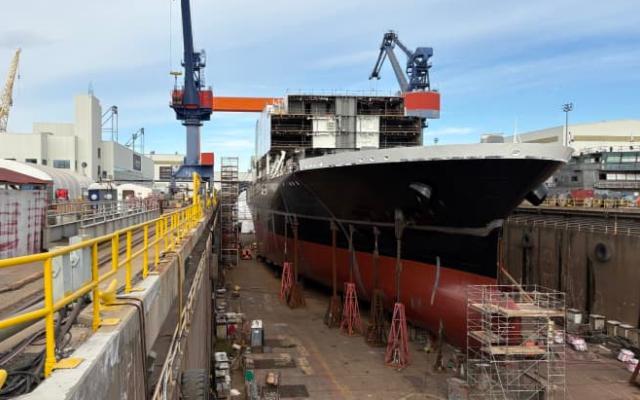
Shipbuilding & Heavy Industry
High-power continuous wave (CW) laser systems are used for large-area surface cleaning in shipbuilding and heavy industry. Applications include hull maintenance, corrosion removal, and steel surface preparation, offering a cleaner alternative to sandblasting with reduced environmental impact.
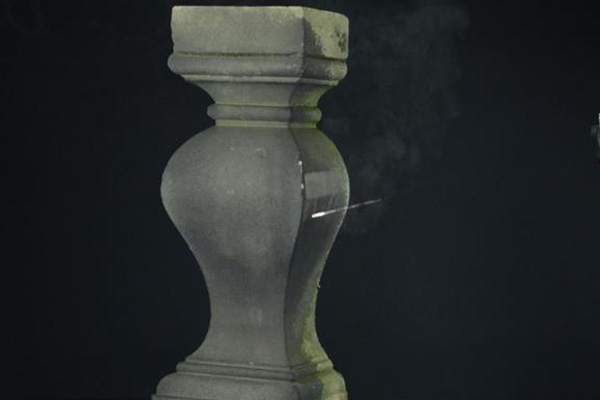
Cultural Heritage & Restoration
Low-power pulsed laser systems are used in restoration projects to clean metal artifacts and historical structures. The process allows precise contaminant removal while protecting delicate surfaces, making it suitable for conservation work where minimal material loss is essential.

Electronics & Semiconductor
In electronics manufacturing, laser cleaning removes oxide films and micro-contaminants from delicate components and circuit boards. Controlled energy delivery ensures high precision and minimal thermal influence, which is critical in micro-scale applications.
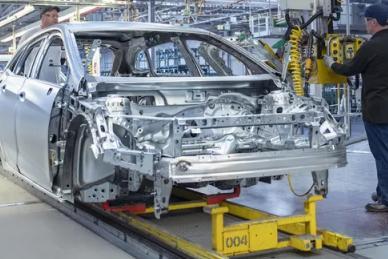
Automotive Manufacturing
Laser cleaning supports automotive production by preparing surfaces for welding, removing brake disc rust, stripping coatings, and refurbishing components. The technology improves production efficiency while maintaining consistent surface quality across large manufacturing volumes.
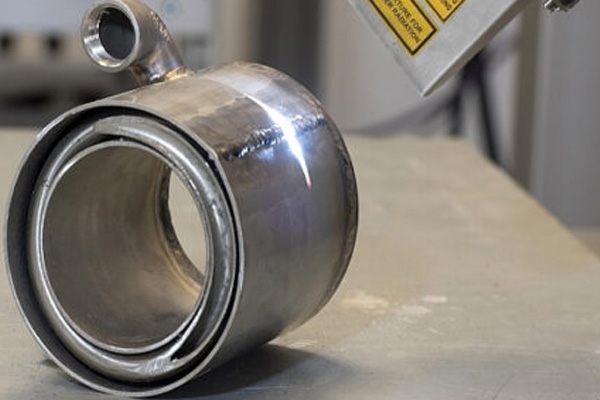
Nuclear Decontamination
Nuclear decontamination laser cleaning machines safely remove radioactive contamination and surface oxides from nuclear facility components. The non-contact process enables controlled layer removal while minimizing secondary waste and reducing contamination spread, supporting safer maintenance and decommissioning operations.
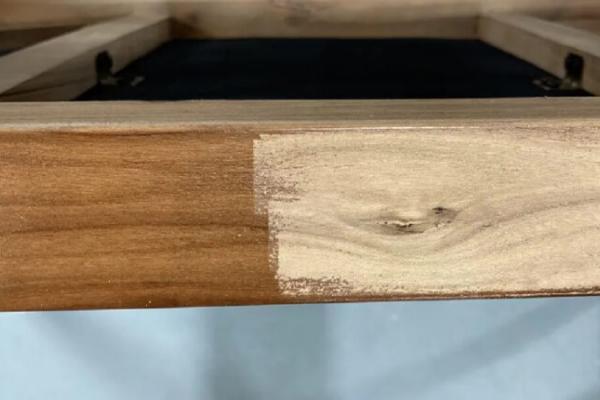
Wood Surface Cleaning
Wood surface cleaning laser cleaning machines are used to remove paint, coatings, mold, soot, and surface contamination from wooden materials. The non-contact laser process enables controlled surface treatment without mechanical abrasion, preserving the natural texture and structure of the wood. It is suitable for restoration, furniture refurbishment, and architectural surface preparation.
Benefits of Laser Cleaning Machine
Laser cleaning machines provide a non-contact, precise, and environmentally friendly method for removing rust, paint, oxide layers, oil, and other contaminants from metal and non-metal surfaces. Compared with traditional cleaning methods such as sandblasting, chemical cleaning, or mechanical grinding, laser cleaning offers significant technical and operational advantages.
1. Non-Contact Cleaning Process
Laser cleaning is a non-contact technology. There is no abrasive media, no brushes, and no mechanical friction involved. This eliminates: Surface wear, Mechanical stress, Secondary damage,
Tool consumption. It is especially suitable for high-value components, molds, precision parts, and delicate substrates.
2. Minimal Damage to Substrate
With properly adjusted parameters (especially pulsed systems), laser cleaning can: Remove contamination layers selectively, Preserve base material integrity, Maintain surface roughness and microstructure. This makes it ideal for aerospace components, precision molds, and high-tolerance industrial parts.
3. Environmentally Friendly & Chemical-Free
Laser cleaning does not require: Chemical solvents, Acid-based solutions, Abrasive blasting media . Benefits include: No chemical waste, No wastewater treatment, No secondary pollution, Reduced environmental compliance cost. It is a cleaner and safer alternative to chemical stripping.
4. High Precision & Selective Removal
Laser parameters can be precisely controlled: Power, Pulse energy, Frequency, Scanning speed. This allows: Layer-by-layer removal, Selective coating stripping, Micron-level precision, Perfect for mold cleaning, paint removal, and oxide layer treatment.
5. Lower Operating Cost (Long-Term)
Although the initial investment is higher than traditional methods, laser cleaning offers: No consumables (no sand, no chemicals), Low maintenance, Long laser source lifespan (often >100,000 hours for fiber lasers), Reduced labor intensity. Over time, the total cost of ownership is often lower.
6. Automation & Integration Ready
Laser cleaning systems can be integrated into: Robotic arms, CNC production lines, Automated inspection systems, Smart manufacturing environments. This enables consistent quality, high repeatability, and scalable industrial production.
7. Improved Workplace Safety
Compared with sandblasting or chemical cleaning: Less airborne dust, No hazardous chemicals, Reduced operator exposure. With proper laser safety systems, it provides a controlled and safer working environment.
8. Versatile Application Range
Laser cleaning can be used for: Rust removal, Paint stripping, Oxide removal, Oil and grease cleaning, Mold maintenance, Pre-welding surface preparation. Applicable across industries including: Automotive, Aerospace, Shipbuilding, Manufacturing, Energy, Mold production.
Laser cleaning machines offer a modern, precise, and sustainable solution for industrial surface treatment. They combine efficiency, environmental responsibility, precision control, and long-term cost advantages, making them an increasingly preferred alternative to traditional cleaning technologies.
How to Choose the Right Laser Cleaning Machine
Choosing the right laser cleaning machine depends on application requirements, contamination type, material characteristics, and production environment. Instead of selecting based on power alone, it is essential to evaluate several key technical factors to ensure efficiency, cost control, and long-term reliability.
1️⃣ Identify the Type of Contamination
The first step is determining what needs to be removed:
- Heavy rust or thick corrosion
- Paint or multi-layer coatings
- Oxide films
- Oil and grease residues
- Precision surface contaminants
Thicker and harder contamination typically requires higher average power (CW systems), while thin or precision layers are better suited to pulsed systems.
2️⃣ Consider Substrate Material
Different materials respond differently to laser energy:
Carbon steel and structural steel tolerate higher heat input.
Aluminum and thin metals require lower thermal impact.
Sensitive components demand pulsed laser systems for controlled removal.
Understanding material reflectivity and thermal conductivity is critical to avoiding surface damage.
3️⃣ Choose Between CW and Pulsed Technology
Continuous Wave (CW) systems are ideal for:
Heavy rust removal
Large surface areas
High-speed industrial cleaning
Pulsed systems are recommended for:
Precision cleaning
Mold maintenance
Aerospace components
Low thermal influence applications
Selecting the correct energy mode ensures performance efficiency and substrate safety.
4️⃣ Determine Required Power Level
Typical industrial ranges:
100W–500W: Precision and light cleaning
1000W–3000W: Standard industrial rust removal
3000W–6000W: Heavy-duty surface treatment
Higher power is not always better; efficiency depends on matching power to application thickness and production volume.
5️⃣ Evaluate Mobility and Structure
Consider working conditions:
Backpack or portable systems for field work
Trolley systems for workshop mobility
Cabinet systems for industrial environments
Automated systems for production lines
Choose structure based on workspace constraints and operational workflow.
6️⃣ Assess Cooling and Power Supply Requirements
Air-cooled systems are lighter and easier to deploy.
Water-cooled systems support higher power and longer operation.
Verify local voltage standards (110V / 220V / 380V).
Stable cooling and electrical compatibility ensure consistent performance.
7️⃣ Consider Automation Integration
If production scalability is important, select systems that support:
Robotic integration
CNC interface
Industrial automation
Future-ready architecture reduces upgrade costs.
8️⃣ Evaluate Total Cost of Ownership
Beyond initial price, consider:
Laser lifespan
Maintenance requirements
Consumables elimination
Downtime reduction
Environmental compliance savings
A properly matched system often results in long-term operational savings.
We focus on delivering stable, application-matched laser cleaning systems that reduce risk and improve industrial efficiency.